Custom Acrylic Gift & Jewelry Display Boxes | Alice
$3.20
When the package is the presentation: open clear acrylic cases and partitioned cell trays for bridal favours and corporate gifting, built from bonded, polished optical sheet with fixed dividers that keep cells square when loaded. Three-cell trays map to sweet-trinket-card place settings, longer layouts sub-divide into six or more, and batch-engraved name personalization runs from your row list. Nothing is printed on the photographed blanks, so samples show exactly how much your mark will add. Mock-ups are free, samples take 3-5 days, bulk 7-15 days after artwork approval, MOQ 100 pcs per design – and the trays keep working as organizers after the event.
The Custom Acrylic Gift Box for Jewelry That Skips the Wrapping Step
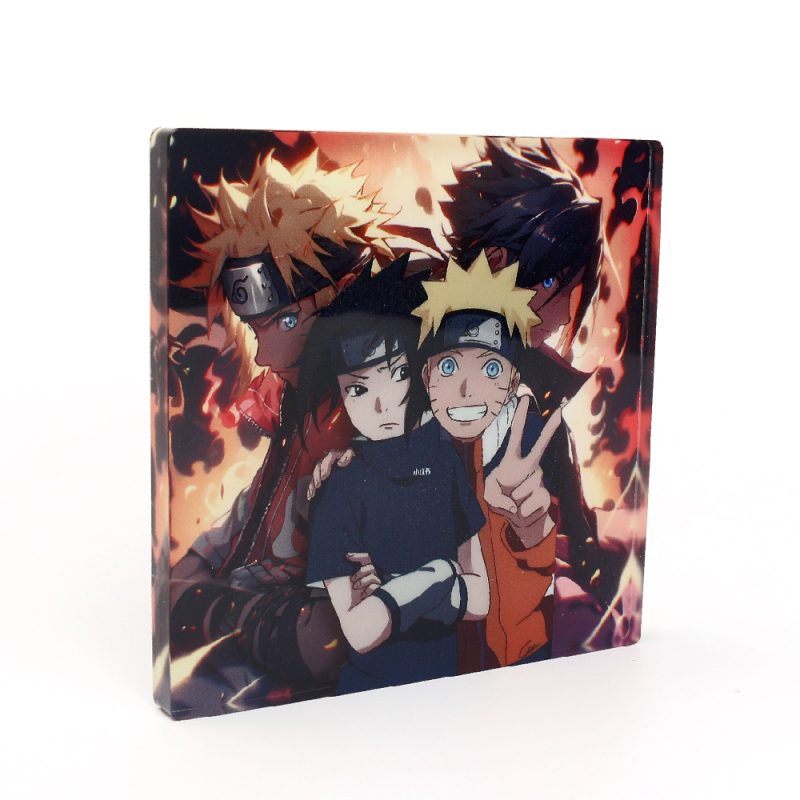
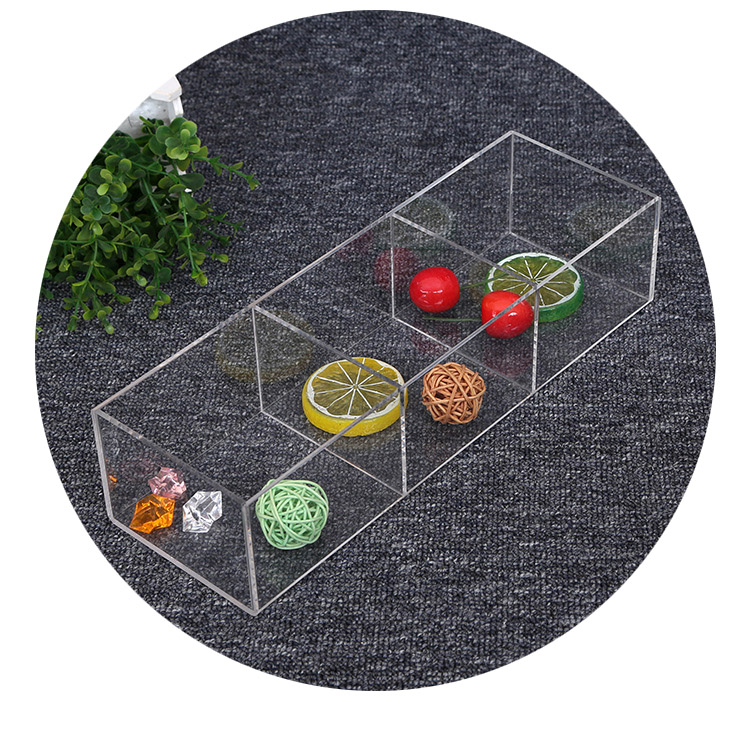
A custom acrylic gift box for jewelry changes the math on gifting programs because the package is the presentation: clear walls carry the product photograph in real life, and the buyer’s unboxing moment happens through the packaging instead of under six layers of tissue. The units photographed on this page are the honest starting formats – an open rectangular clear case that stands frame-like on a counter, and partitioned trays that split one footprint into three or more cuboid cells, each holding a separate favour or component. No ribbons, no windows, no printed panels appear in these shots, and this listing does not pretend otherwise; what you get is optical-grade acrylic, bonded right-angle construction and a cell layout you define. For bridal tables and corporate gift runs, that restraint is the feature: everything inside stays visible from every aisle.
Unboxing Economics for Bridal and Corporate Programs
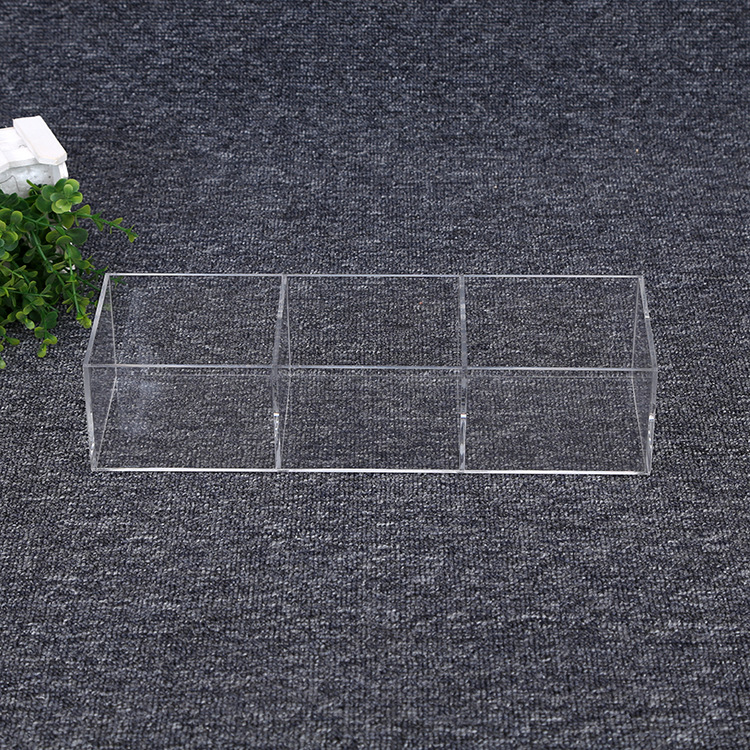
Wedding favours and corporate welcome gifts die two deaths: forgotten at home, or recycled as packaging five minutes after the moment. A clear tray-format gift box survives both, because after the chocolates or the cufflinks move out, the cell tray reappears on a dresser or a desk holding earrings and rings – which is the line the packaging should be priced against, not against paper that gets flattened. Budgeting logic for a five-hundred-guest event is straightforward: each tray is one production unit, one print decision if you brand it, and one logistics unit that nests. The three-cell format photographed here maps directly to classic favour builds – a sweet cell, a trinket cell, a card cell – while the longer divider layout in the second tray photo shows how a central bay splits again when you need six cells from one outer dimension. Every guest gets the same geometry, every table photographs the same.
For gifting departments, the same hardware doubles as onboarding packaging: the clear case at a welcome desk shows the badge, the pin and the notebook sleeve as a single visual, and the department reorders one SKU per year rather than chasing print shops for boxes that always match. Event planners running seated dinners get a parallel trick: the place-card name can live in one of the cells, which turns the favour tray into the seating chart, one less object on the table.
Build Quality You Can Read Straight Off the Panels
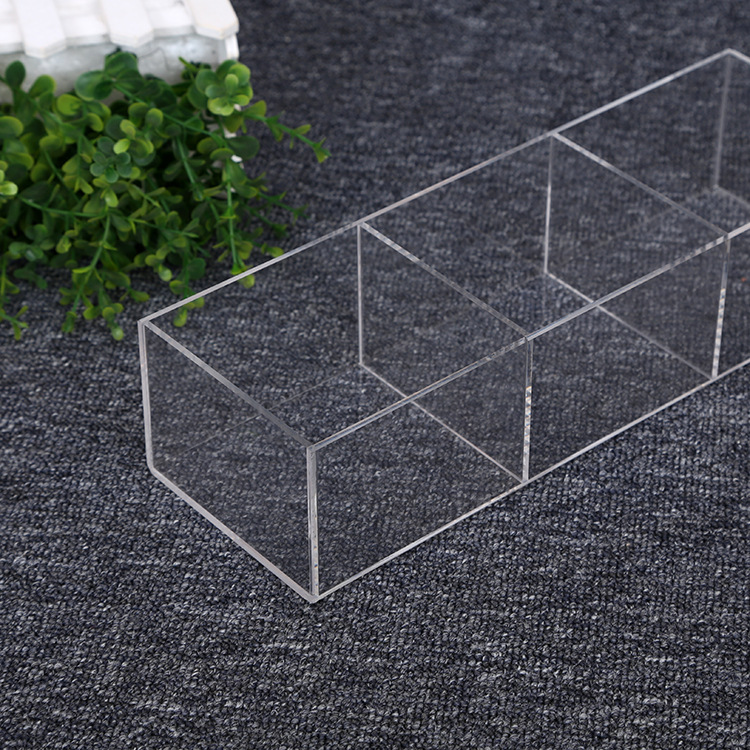
Zoom the fabric shots and the construction arguments write themselves. The rectangular case in the lifestyle photo is walls bonded at clean ninety-degree corner seams, edge-polished so each rim catches a fine bright line; the weave behind it stays legible through every panel, which is the fastest field test for optical-grade acrylic against warped cheap stock. The partitioned trays put the second engineering point on display: internal divider panels are glued into the base and the outer walls, their vertical joints reading as light-scattering lines, so cells stay square when the tray is loaded and carried. Nothing here is heat-bent; every angle is a cut, polished and bonded panel, the standard that lets cell layouts change without new tooling. All surfaces in the photographs are completely unprinted – blanks, exactly as they leave the line for your decoration decision.
Scale talk for the purchasing desk: the open case above is the hero piece and the partitioned tray underneath is the workhorse, cut on one sheet list, which is why mixed orders price cleanly against a single material order. Buyers converting from satin-lined paper favor boxes should expect the acrylic quote to run higher per unit at small quantities and converge fast by the third campaign, because there is no tooling amortization in bonded panel work and the divider layout is decided once on your approved drawing.

Decoration and Personalization Zones
Because the walls are clear and the construction is panel-based, decoration planning follows sightlines. A logo can screen-print or UV-print on one tray rim so the branded read happens at shelf level without blocking the contents view, laser-engrave a single wall panel for a frosted mark that survives handling, or sandblast the base cell floor so stones and metal jewelry sit against your mark instead of against glare. None of the photographed units carry artwork, so the sample you receive shows exactly how much visual presence your chosen mark will add, and nothing more.
Name personalization at scale – fifty different bridesmaids, a hundred employee badges – runs as a spreadsheet program: your row list comes in, each row becomes one engraved or printed unit against the same base design, and the batch ships sorted to the list. For events this matters more than for retail, because the mark that identifies a person is also the reason a tray survives the coat-check. Insert-card routes get the same treatment: a printed kraft or ivory card drops into one cell, your calligraphy supplier or your in-house team fills it, and the tray geometry stays constant between seasons.
- Outer dimensions and height tuned to the product being gifted; drawings quoted from your items
- Cell layout: three-cell tray as photographed, six-or-more via additional transverse and longitudinal dividers
- Case format: open clear rectangular unit shown in the fabric shot, sized per merchandising plan
- Dividers: bonded fixed cells; removable-insert geometries quoted on request
- Sheet: clear standard; tinted, frosted or mirrored back panels as options on request
- Branding: screen print, UV print, laser engraving or sandblast, positioned per sightline
- Personalization: batch variable-data engraving from your row list
One planning note before you spec the cells: fill height matters more than cell count. The featured tray shows why – low flat props still read generous in a deep clear cell, while three-quarter-filled tall items look stingy in a shallow one. Bring the actual favour contents and we will size cell depth around them at mock-up stage rather than guessing from a photo.
Fill height matters more than cell count when the layout is drawn. The featured tray shows why: low flat props still read generous inside a deep clear cell, while three-quarter-filled tall items look stingy in a shallow one. Bring the actual favor contents into the brief and cell depth gets sized around them at mock-up stage rather than guessed from a photograph, and the same drawing decides whether dividers stay fixed or the removable-insert route is quoted.
Specifications, Side by Side With Your Brief
| Item | Open clear acrylic gift/jewelry display cases and partitioned cell trays |
| Size | Tray and case footprints matched to gifting contents; standard three-cell format as photographed, custom layouts from drawing |
| Board & Thickness | Clear acrylic sheet for walls, base and dividers; gauges set per footprint and confirmed on sample |
| Decoration | Screen print, UV print, laser engraving, sandblast; variable-data personalization batches |
| Assembly or Mounting | Fully bonded panels with glued-in dividers, delivered ready to fill; no assembly at your end |
| Packing | Film-wrapped faces, foam-lined export cartons, nested pallet builds; FBA prep on request |
| MOQ | 100 pcs per design |
| Sample time | 3-5 days |
| Lead time | 7-15 days after artwork approval |
| Capacity | 1,000,000 pcs per month across our gift lines |
Order Flow: Mock-up, Sample, Campaign-Date Bulk
Send the gift item and the event date; a free digital mock-up returns showing footprint, cell map and decoration placement before any money moves. Physical samples take 3-5 days, which is short enough to put one in the hands of the bride, the HR lead or the buyer who signs off. Bulk lands in 7-15 days after artwork approval against production capacity of 1,000,000 pcs per month across our gift lines – the practical meaning being that spring wedding season and Q4 corporate gifting are both absorbed without moving your date. Costing starts from the hundred-piece reference tier and bends with tray size, divider count and branding, so the quote comes from your spec sheet, never a posted rate card.
The smaller three-cell sibling in the next photograph is the reorder-friendly format: compact enough for a place-setting footprint, clear enough to double as event signage carrier when you print cell dividers into the layout. It is also the unit most buyers start with when converting from paper favour boxes, because the price gap closes at campaign volumes and the post-event reuse story sells itself at the toast.
Counting Trays, Tables and the Delivery Math
Once the unit is locked, an order becomes arithmetic. Seated galas convert one tray per cover with a contingency per table; standing receptions run per-venue sets shipped in advance of the doors. Because every tray is the same bonded footprint, cartons pack in fixed stacks and pallet counts come out clean, which keeps freight estimates honest for both the caterer and the venue loading dock. We split one production batch across delivery addresses – florist pickup, venue drop, home-customer fulfillment – when the personalization list says so; batch sorting, labelled cartons and per-address packing lists are standard on place-card programs and cost nothing extra beyond the carton count.
Packing Clear Goods So They Reach the Event Intact
Gift programs ship on deadlines that do not negotiate – a wedding date or a kickoff day is a wedding date. Protection is engineered around that: every face films before trays stack divider-to-divider in cavity foam, cartons are double-wall export grade, and sea, air or courier lanes (DHL, UPS, FedEx, TNT) inherit the same packing map so a pallet and a parcel tell the same story. FBA prep with labelled cartons is available when gifting runs through fulfillment networks. Divider edges get guarded before stacking because their top lines are the fracture-prone points on any tray; the chart below is the standard your receiving dock sees.
Storage Between Events Is Half the Packing Job
A favor program ends at the venue, but its cartons keep working. Rental companies and repeat brides store trays flat between dates, so the cavity layout is designed to be reusable: foam sheets travel with the cartons, trays slide back divider-to-divider without panel contact, and the label field on each master box carries the packing map so any volunteer restacks it correctly. When the fleet ships to a second city the same cartons go again with contents already protected.
That reuse cycle is why carton count gets quoted as part of the order instead of leaving box sizes to the forwarder’s discretion. For gifting through fulfillment networks, FBA label-and-pallet prep follows the identical internal layout – the only change is the outer label. Freight options run sea, air or courier, and the packing picture below is the layout your receiving dock and your storage closet both receive.
Buying-side arithmetic for a wedding program looks different from a retail reorder: a single event pays for the hero format and the bulk cell in one line, while a boutique restocks one SKU through the year. The tray geometry serves both because it is the same bonded build in two footprints – no molds, no tooling minimums, just panel sizes from the approved drawing. That construction also means damaged units get replaced as one tray, not one campaign: a single chipped cell wall is a single sheet swap at the shop, quoted against the original spec without redrawing the layout every time the fleet turns over.
Seasonality deserves one explicit note. Bridal inventory peaks in the spring quarter across most export markets and corporate gifting concentrates in the six weeks before year-end; both windows compete for the same bonded-panel capacity. Locking artwork approval two weeks before your date converts that queue into a non-issue, because the sample is already signed and the bulk order only needs the PO number. Where a program must ship in waves – ceremony date first, thank-you gifts later – we hold the approved drawing and split production into scheduled releases, so the second wave at the same unit spec skips the sampling entirely.

Straight Answers for Gifting and Procurement Teams
Can the trays hold candle glass or does heat mark the acrylic?
How many cell layouts fit one quote?
Is the base glued or one-piece?
Do you print directly on acrylic or use inserts?
What is the realistic timeline from artwork to event delivery?
Can one carton mix finished and blank units?
Neighbouring Pages in the Acrylic Program
This open-case line sits beside the lidded formats on our catalogue map: dust-safe keep-cubes with hinged or lift-off caps are specified on the display box page with lids, closure-hardware deep dives for tobacco retail live on the humidor display page, event-tier hardware for dessert tables is built on the cake stand page, and counter elevation is handled by bracket risers. The full acrylic category lists every format, and printed-paper companions for the same gift program stay inside the printed items line.
Put Your Gift Contents in the Frame
One photo of the item, one event date, and we size the tray, map the cells and return a mock-up with branding placed. Request through the form below or the quote desk.
Start with the product you intend to gift; the tray gets drawn around it, branded if you want it, and quoted at the 100-piece reference tier before you commit anything.