Custom Christmas Gift Boxes with Die-Cut Arch Handle
$1.00
post-title
focus-keyword
rank_math_title
rank_math_description
Custom festive gift cartons — an open tray body with an integrated die-cut arch carry handle, scalloped edge work, chenille cord bow and a hanging cutout charm, with your full-wrap holiday artwork (or your own mascot) printed across every panel.
MOQ: 100 pcs per design | Physical sample: 3-5 days | Bulk: 7-15 days after artwork approval
Specified by you: custom dieline drawn to the product you pack, 250 gsm ivory board (kraft / specialty on request), CMYK full-wrap printing with PMS matching, matt or gloss lamination, foil / spot UV / embossed accents, cord and charm trim, free digital mock-up before tooling
Ships: counted into poly bags or inner boxes of 100 then export cartons; Amazon FBA labelling and prep handled at packing
Freight: sea, air, or courier (DHL / UPS / FedEx / TNT) — order in Q3 for Q4 shelf dates
Displayed price is a reference figure at the 100-piece tier; send quantity and dieline for an exact quote.
A Holiday Gift Carton You Carry by Its Own Body
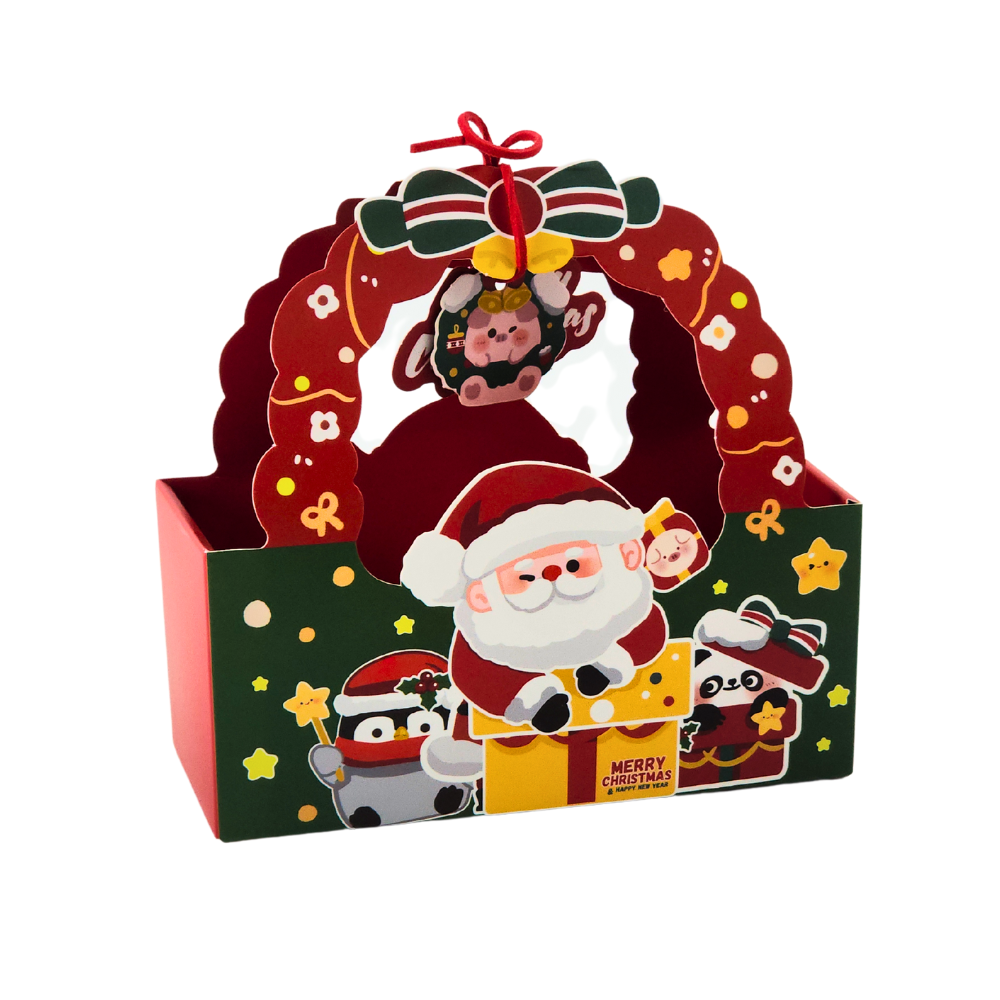
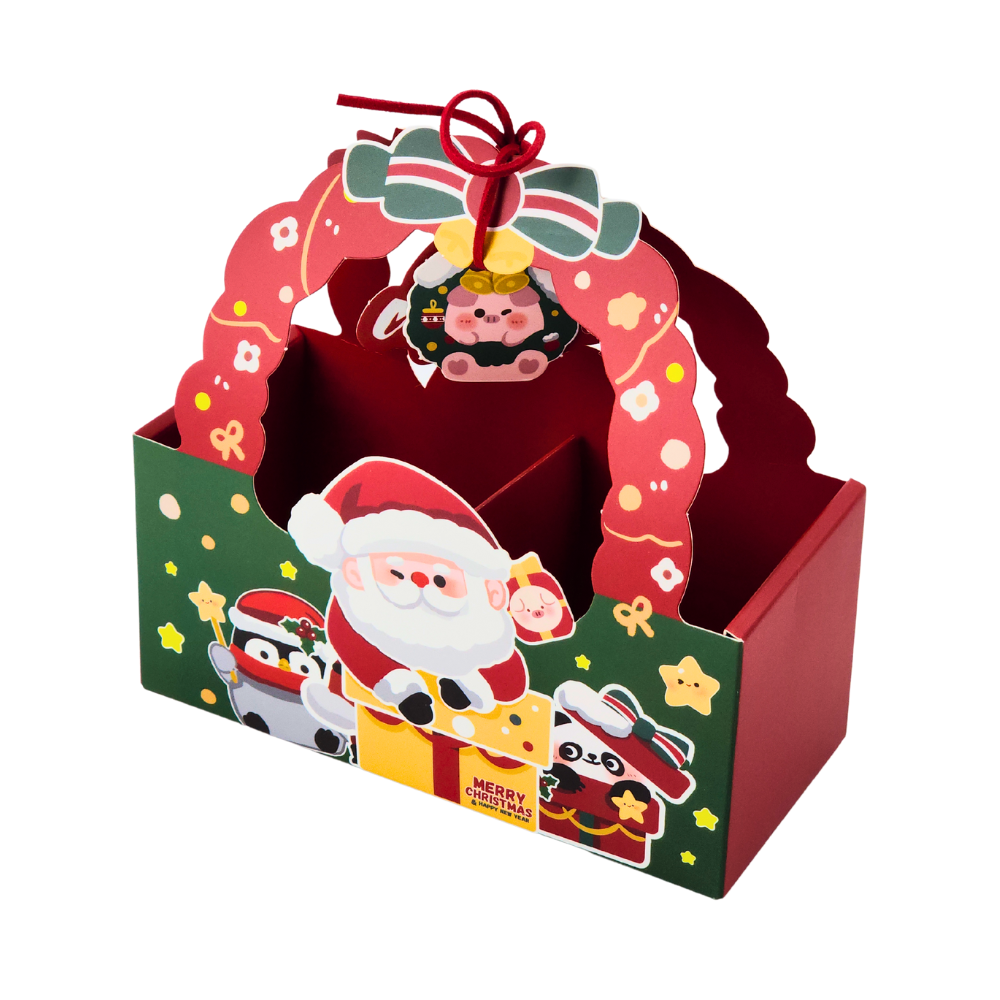
This is a festive carton, not a flat bag: an open tray body cut from one printed sheet, with an arched handle die-cut from the back panel so the carry point rises as part of the box itself. The red sample stacks the holiday details on top of that structure — scalloped die work along the edges, a band of grinning cartoon Santas across the front, a bow motif printed on the arch, a red chenille cord tied in front of it, and a small wreath-shaped cutout charm dangling from the handle. A seasonal greeting is printed across the panel in lettering coordinated to the artwork; your own wording, logo or mascot replaces all of it.
Two procurement notes before anything else, because they decide most quotes on this product. First, there is no fixed carton size here: the old spec table that used to sit on this listing belonged to a different product, so every order starts from a dieline drawn around your actual contents — tray footprint, wall height and arch geometry derived from the item you pack, never copied from a photo. Second, the artwork shown is one customer’s file, printed flat and saturated because the press runs CMYK with PMS spot matching and laminates after printing, which is what keeps a big red field from banding and black outlines from going fuzzy at the fold.
Who reorders this format: gift wholesalers building a seasonal line, party and toy retailers, bakeries packing treat sets, corporate gifting teams, and Amazon sellers who need one SKU that photographs as its own display. The carton does the decorating for you — a filled box with a cord bow reads as a finished present before any wrapping paper touches it.
Buying for this category works differently from buying plain stock. Retail buyers judge your carton on the shelf photo first, so artwork registration, colour accuracy and die cleanliness are the specs that decide whether a holiday listing converts — not the paper weight nobody can see through print. That is why sampling here is a colour exercise as much as a structural one: check the proof against your brand red and green in daylight, cord tied and charm hanging, before the run starts. Send Pantone numbers if you have them; if you only have a logo file, say what mood you want — bright candy-store red or deep holly green — and our layout team proposes a palette on the mock-up.
The die work is where cost and character both live. Scalloped edges, the arch silhouette and the hanging charm are cut, not printed, so the tooling plan is drawn once per design and reused on every reorder — your second holiday season costs plates and paper, not new steel. The charm can be any outline: a wreath, a snowflake, a gift tag with a blank line for handwriting, or your logo shape, making the little piece that swings from the handle the bit shoppers photograph. And the arch is a printing surface too — its front face sits at eye level on a shelf, so a foil monogram or one-colour wordmark there reads premium without another component to assemble.
The green carton runs the same die in the playful register: a Santa climbing out of a yellow gift box, flanked by a penguin and a panda in Santa hats, stars and dots scattered across the field, arch handle folded along the top. Same tooling family, entirely different shelf personality — which is the whole argument for treating this as a canvas rather than a catalogue item.
What You Control on This Carton
Nothing on the samples is fixed. The red carton and the green carton in the photos are the same die family wearing two different artwork skins — which is exactly how a seasonal line gets built: one tooling plan, several print runs, each colourway merchandised as its own SKU on shelf or its own marketplace listing. Gift wholesalers routinely split a single dieline across three or four designs (a character version for kids’ sets, a bold solid-red version for confectionery, a quieter illustrated version for corporate hampers), and because the die is shared, only the plates change between them — the cost curve drops once you commit artwork for a second and third skin up front. The same logic applies to size: a treat carton for a candy box and a taller tray for a socks-and-mug bundle start from one structural conversation with our layout team, not from a catalogue page. Below is the full list of what you actually get to specify on this format:
- Dieline and size — every carton is cut to your contents. Send the product (a mug, a treat set, a socks-and-candle bundle) with its footprint and weight and we draw the tray, wall height and arch around it.
- Artwork coverage — full-wrap holiday illustration across front, back, sides and the arch itself, printed in CMYK, with PMS matching when your brand red and green have exact codes.
- Die detailing — scalloped edges, arch shape, and charm cutouts (wreath, snowflake, tag, your mark) all come off the same tooling plan.
- Cord and trim — chenille, satin or grosgrain in any stocked colour, tied or threaded per your layout.
- Paper — 250 gsm ivory board as standard; kraft and specialty boards quoted on request.
- Finish — matt or gloss lamination, with hot foil, spot UV or embossed accents for the greeting line or logo.
- Design help — free: a rough sketch, a JPG mascot or one sentence of direction turns into a digital mock-up before any die is cut.
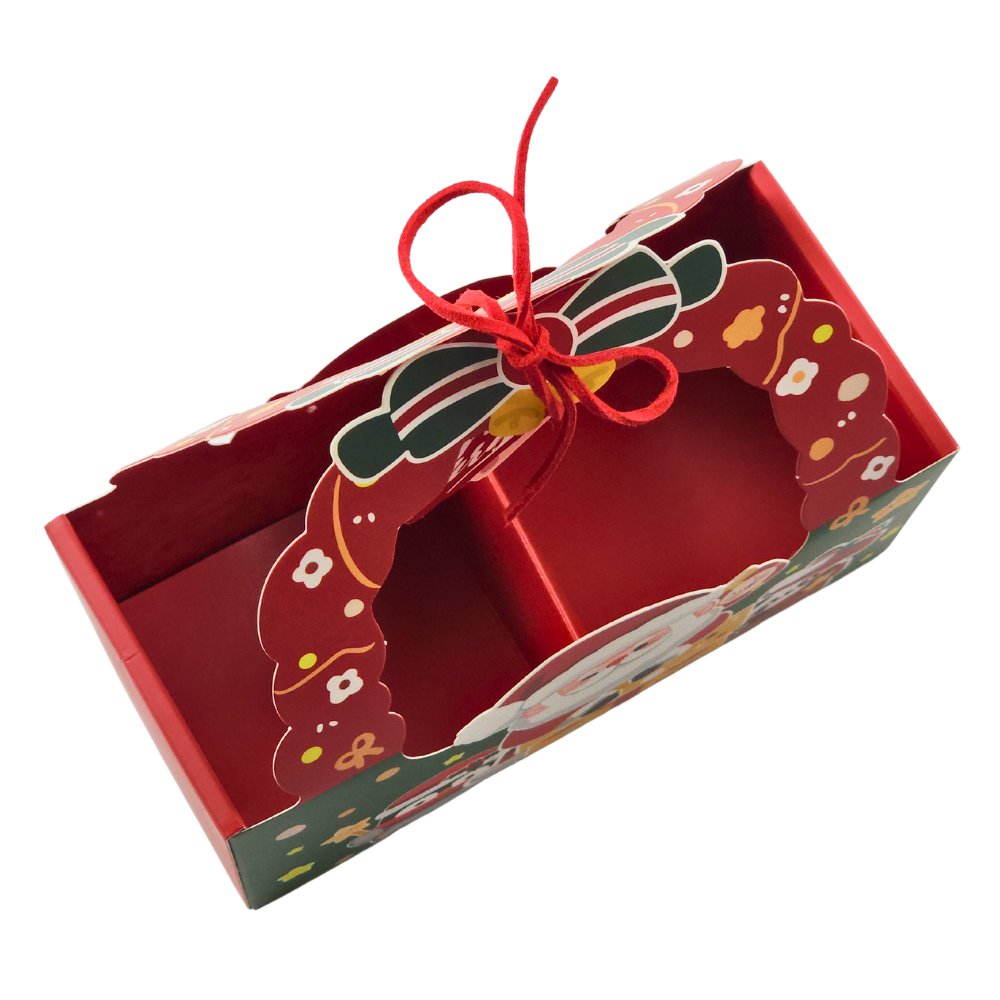
A structural point worth stating plainly: on this format the handle is board, not an add-on. The arch is a continuation of the printed sheet, so its strength comes from the die design and glue tabs rather than a cord knot under stress. The chenille cord and hanging charm are decoration on top of that carry structure. When you send the packed weight, we size wall height, arch width and board spec around it at proof stage — no rule-of-thumb load claims, just a die drawn for your fill.
Specifications
| Item | Custom Festive Gift Carton with Die-Cut Arch Handle |
| Construction | Open tray body with integrated arched die-cut carry handle; scalloped edge and charm cutouts on the same tooling plan |
| Size | Custom dieline drawn to your product footprint and packed weight |
| Paper | 250 gsm ivory board standard; kraft and specialty boards on request |
| Printing | CMYK full-wrap artwork across panels and arch; PMS colour matching available |
| Finish | Matt or gloss lamination; hot foil, spot UV, embossed / debossed accents optional |
| Trim | Chenille or ribbon cord tie; die-cut hanging charm (wreath, snowflake or custom shape) |
| Packing | 100 pcs per poly bag or box, then export cartons |
| MOQ | 100 pcs per design |
| Sample time | 3-5 days |
| Lead time | 7-15 days after artwork approval |
| Monthly capacity | 1,000,000 pcs across our print and gift lines |
Order Flow and the Holiday Calendar
Standard path: you send artwork or a brief, we return a mock-up laid out on the real carton dieline, you approve it, a physical sample follows in 3-5 days, and bulk production runs 7-15 days from that sign-off. Proof rounds and mass production are separate line items on the schedule — you always know which stage the clock is running on.
Then factor in the season, because it is the real deadline. Retail holiday sets and Amazon gift events go live in Q4, which means Q3 is when artwork approvals should close: samples checked in hand, bulk running, ocean freight clearing customs with slack. Sellers who leave first orders until October usually pay for the delay in courier rates. If your deadline has already narrowed, express channels (DHL, UPS, FedEx, TNT) still land restock batches inside days, not weeks — the 7-15 day production turnaround is built for exactly that catch-up. Listed on this page is a reference unit price pegged to the 100-piece tier; your number depends on dieline size, ink coverage, foil use and total quantity.
Packing, Freight and FBA Prep
Cartons count into poly bags or inner boxes of 100, then master cartons, with per-carton quantities matched to your pallet plan or inbound shipment if the stock heads to Amazon — labelling and prep are handled here rather than at a third-party center. Cord and charm trims can be applied at our end so receiving staff shelve, not assemble.
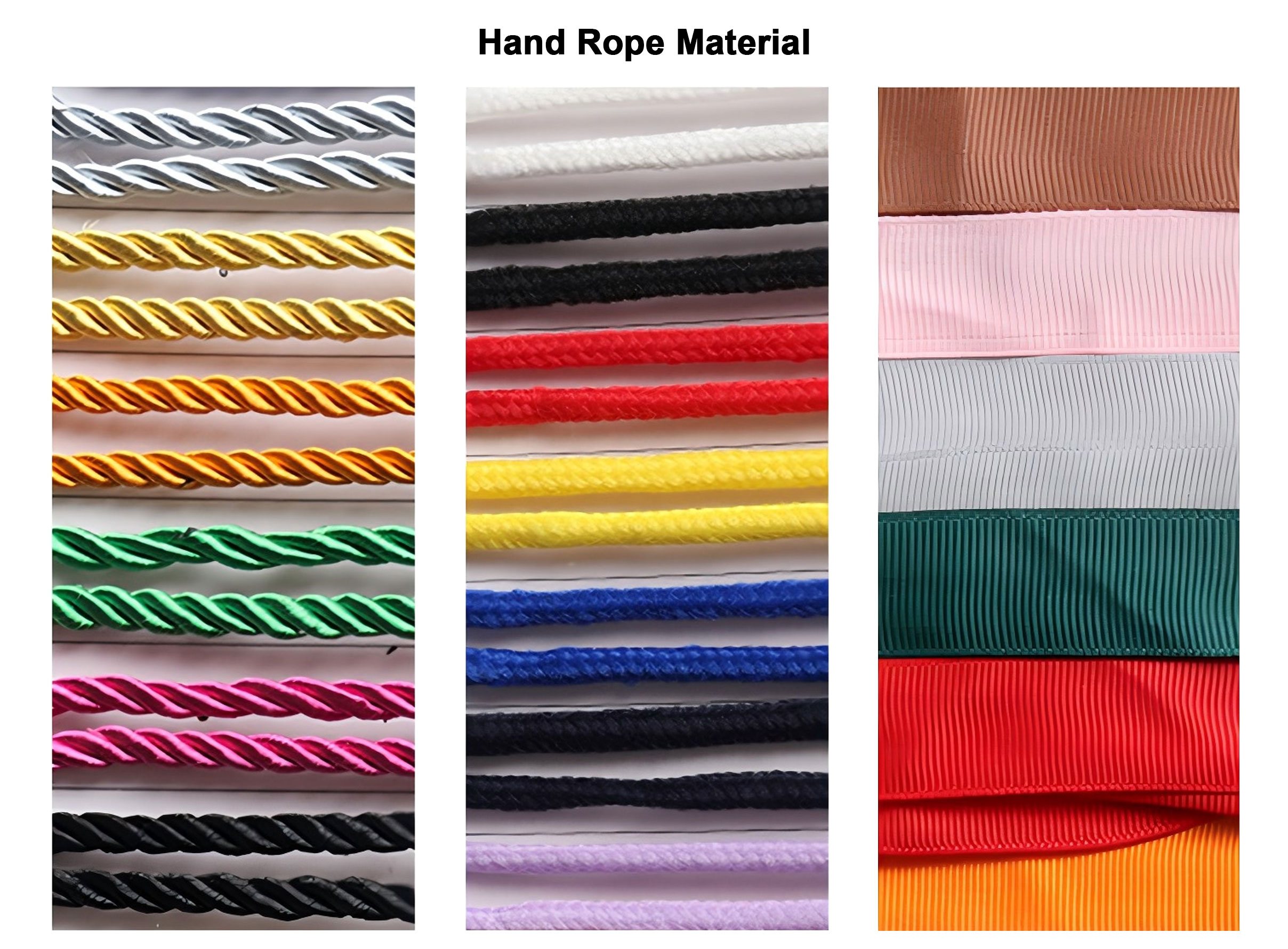
Freight moves by sea for volume, air or express for tight dates, and routing is quoted against your postcode. The two charts below take the guesswork out of specifying trim: the first is the cord and ribbon library — chenille, satin and grosgrain in every stocked colourway, which is what you pick against when you want the bow to match a particular red or an entirely different accent colour from the artwork. Note that cord thickness changes the look of a tied bow on camera: a chunkier chenille reads handmade and suits the kawaii illustrations, while a thin satin tails better for a formal gift programme with a monogram.
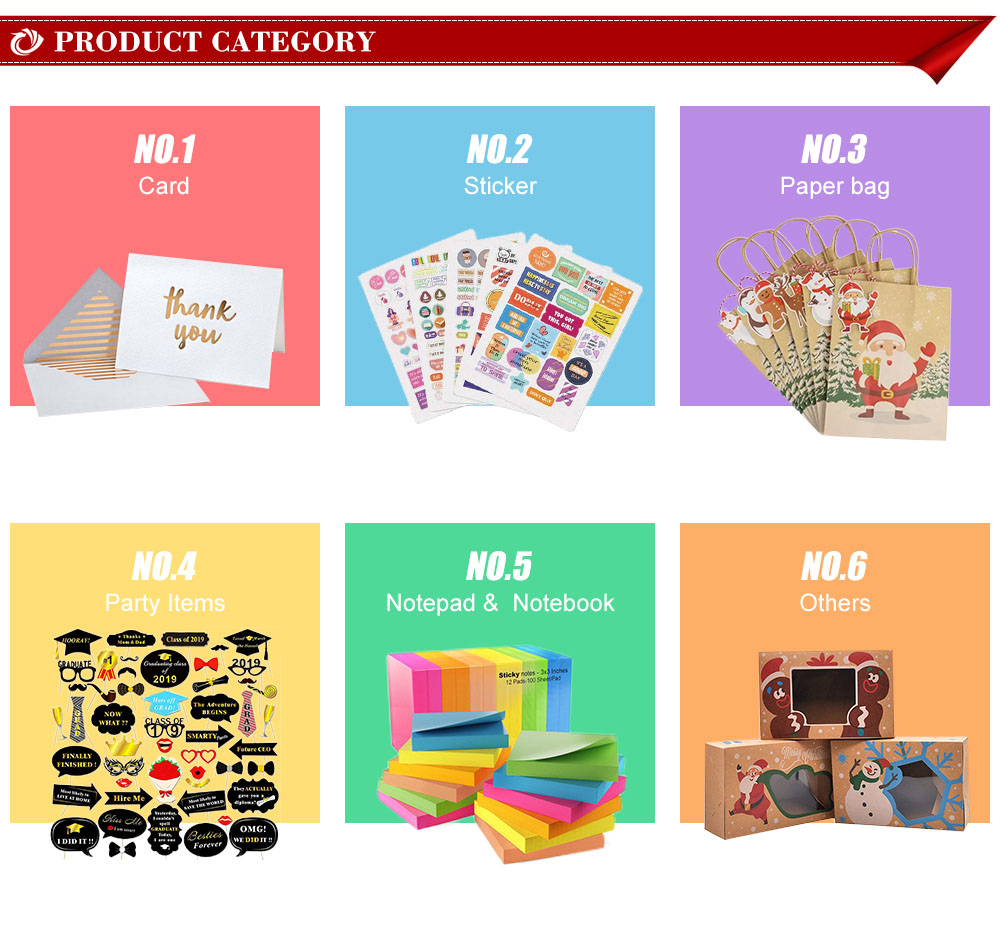
The second chart maps the printed gift families running on the same presses and dies — cartons like these, companion bags, tags and carded sets — which matters when you build one supplier’s seasonal bundle: ordering the carton, the matching ribbon bag and the gift tags on a single production week means one artwork approval cycle, one proof round, one freight consolidation, and colour continuity across every piece a shopper sees together.
For holiday programmes in particular, that continuity is the quiet selling point. A gift set photographed for a marketplace listing looks assembled-from-one-brand only when the red on the carton, the red on the bag handles and the red on the belly band came off the same ink keys in the same week. Buying those pieces from three vendors means three proofs, three slightly different reds, and a product photo that reads as a bargain bin. Consolidating the seasonal kit here also flattens your freight: cartons, bags and tags nest into the same export cartons, so per-unit shipping drops and your inbound shipment to a fulfilment center arrives as one tracking number instead of four parcels on four dates.
Before you spec anything from these charts, note the ordering logic: board grade is decided first because it sets print behaviour — coated ivory board holds fine cartoon linework and saturated holiday reds, while an uncoated kraft sheet absorbs ink and mutes the same artwork, which some gift brands want and some cannot tolerate. Lamination comes second because it changes how foil and spot UV sit on the sheet. Trim — cord, charm, ribbon colour — is last and is the cheapest layer to change between reorders, which makes it the natural way to run a series: same carton, same die, cord swapped from red to green between product waves. Every swatch you can see in these two charts corresponds to stock we actually carry, so picking a colourway off a photo adds days, not a sourcing project.
Two ordering habits save both sides money on seasonal runs. First, bundle enquiry early: a Q3 enquiry listing carton, bag and tag quantities lets us schedule the die work and plate set as one block instead of three rushed jobs in November. Second, keep the dieline and share the artwork — if you want the same illustration on the carton here and a matching gift bag alongside it, we adapt the layout across both formats from one master file, so the red that proofs on the carton is the same red that prints on the bag, not an approximation made twice. One master file, two formats, one ink key — that is how a seasonal kit ends up looking like a collection instead of a grab bag.
Seasonal Packaging Questions, Answered
How many cartons must I order once the artwork is final?
Can I swap the cartoon characters for my own mascot or logo?
Are these cartons sized for a specific product?
Is the arch handle strong enough to carry the filled box?
When do I order to have stock on shelves before December?
Do you send stock straight to Amazon fulfilment centers?
Gift Bag Companions for the Same Season
Cartons sell better next to the right carry bag. Our tapered gift carrier paper bag covers tall or odd-shaped fills, the full-colour cartoon shopping bag matches character-led retailers, and both sit inside the wider paper bags category alongside the custom luxury bag line for premium counter packaging. Mixing formats on one purchase order is routine: the carton is the gift, the bag is how the customer walks out of the store or unboxes a marketplace delivery, and shoppers judge your brand by whichever arrives looking worst. Order them together, on the same proofs, and the pair reads as designed rather than assembled at the packing table.
Lock Your Holiday Run
Send the item you plan to pack, the artwork you have (any state of finish), and your shelf date through the form below — or collect the carton together with companion bags on the quote request page in one enquiry. Pricing, a dieline sketch and a production calendar come back from the team that runs the dies. WhatsApp / Tel: +86-15967739086 | Email: [email protected]