Custom Non-Woven Promotional Tote Bags With Logo
$0.30
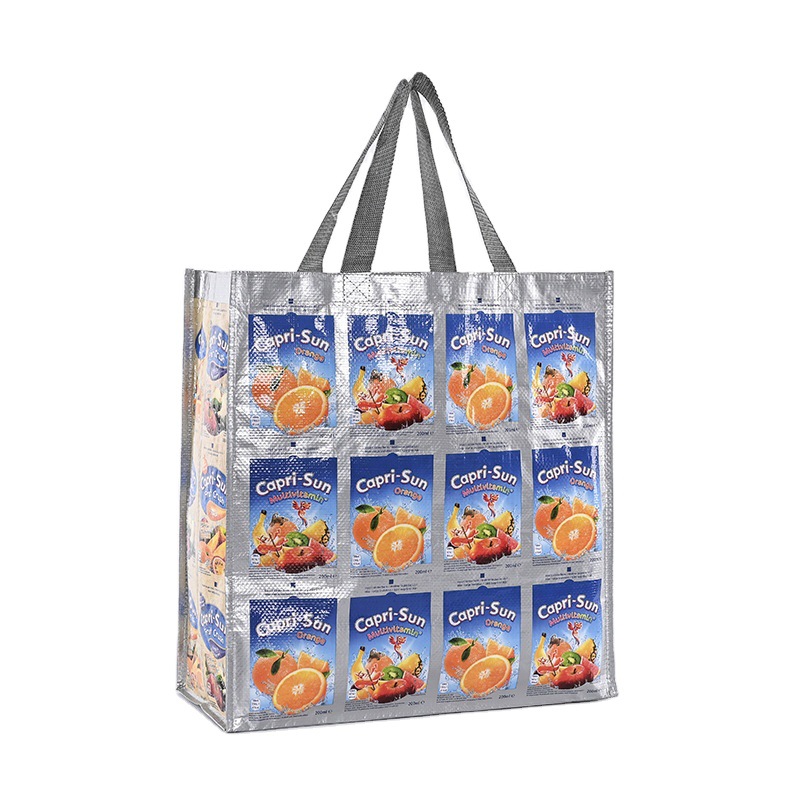
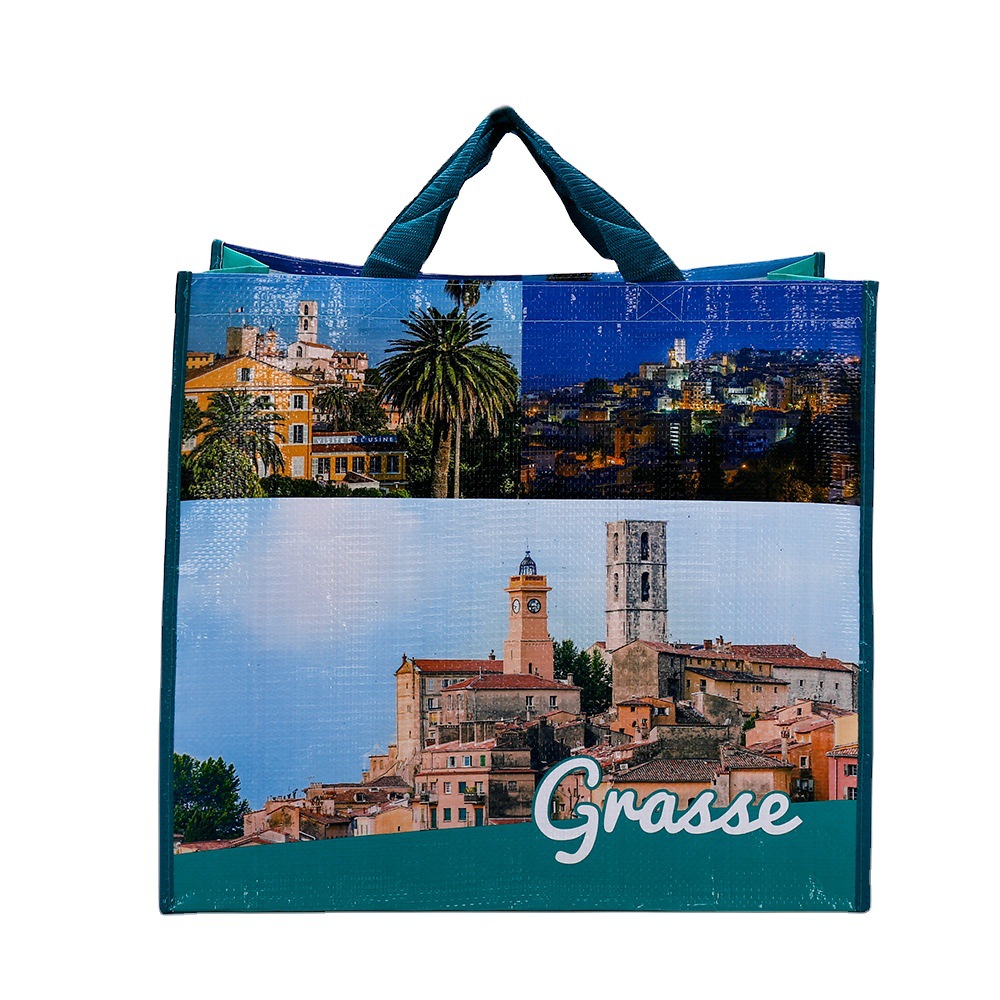
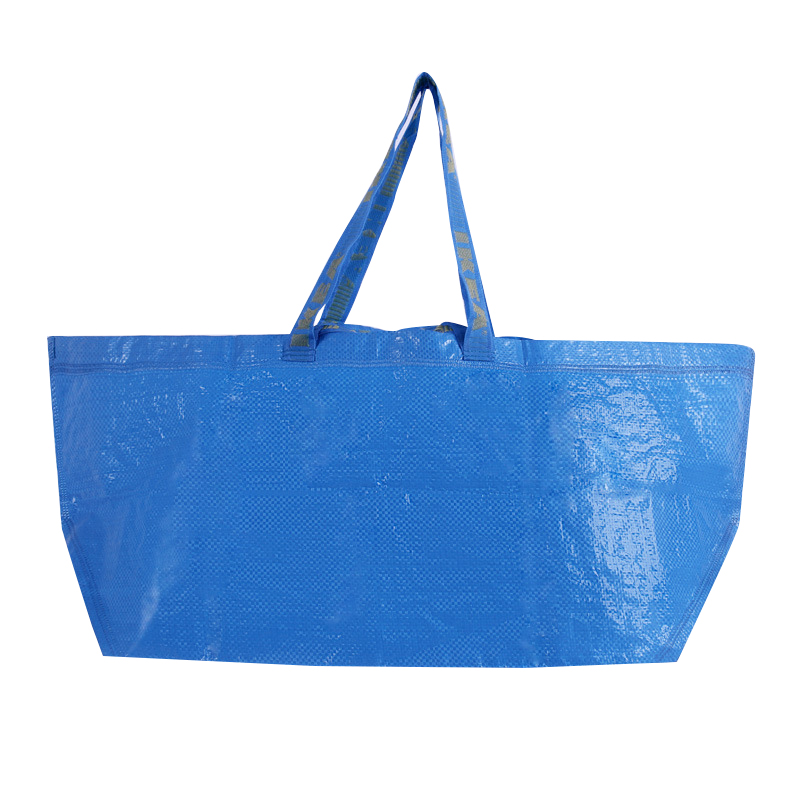
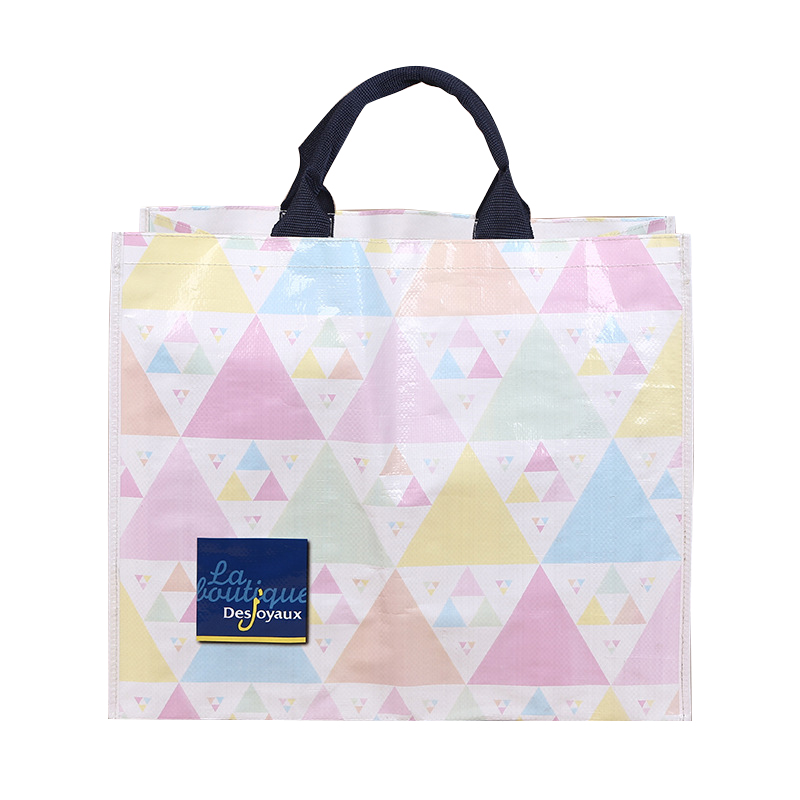
Event and conference handouts treated as media buys: custom non-woven promotional tote bags with full-face print economics. The photographed line covers a metallised laminate base under a repeat artwork grid, a three-panel photographic skyline print on teal-trimmed stock, an oversized blue laminated hauler with the wordmark repeated along its handle straps, and a white pastel-geometry tote with a corner logo patch. Screen, transfer or gravure-on-laminate all run on the same tooling; coverage costs passes and colours, not area. MOQ 100 pcs per design, free digital mock-up, 3-5 day sample, 7-15 days bulk after artwork approval, 1,000,000 pcs per month across our gift lines, FBA-ready delegate kits, session-coded cartons. Send files and event dates to [email protected] or +86-15967739086.
Brand in Hand: Custom Non-Woven Promotional Tote Bags for Events
Custom non-woven promotional tote bags are the one giveaway an attendee actually keeps using, which makes them the cheapest scheduled advertising a conference, campus week or trade show can buy. The line photographed here is not the plain freebie tote of a delegate packet – it is the full-face print school: laminated panels that carry photographic artwork, geometric repeats and metallic bases, treated like the canvas of the campaign rather than packaging that apologises for holding one.
Every attendee who accepts one becomes a moving placement slot. The bag is shouldered into a hotel lift, set down in a cafe, hung on a hook at a co-working desk, and seen by everyone in that room for the rest of the week. Nobody prices that reach at event rates, and the artwork is why it happens: the four photographs on this page each demonstrate a different treatment – a metallic-base repeat grid, a three-panel photographic skyline, an oversized blue laminated hauler with the wordmark riding the handle straps, and a white pastel-geometry field with a corner logo patch – all sharing one construction family: open-top polypropylene, laminated where the design demands it, with sewn webbing handles.
Buyer logic follows the event calendar backwards. Lock the artwork, receive a free digital mock-up, approve a physical sample in 3-5 days, take bulk in 7-15 days after artwork approval, at MOQ 100 pcs per design, inside 1,000,000 pcs per month capacity across our gift lines. A convention hall of four thousand delegates is a single scheduled production run, not a scramble, and the same file reprints for the sister event in the next city without a new tool.
Construction notes from the photographs, because they decide durability talk later: every tote shown is open-top with no zip, flap or snap, finished with a folded hem, and the handles are sewn-on flat webbing rather than self-cut loops – the blue hauler and the white geometric tote both show ribbed woven straps with box-stitched feet, the classic grab-and-go conference handout. None of the samples carries printed dimensions or grammage, so every size or weight figure in your brief gets locked at mock-up against a die, never inherited from a listing photo.
The Full Face Is the Media Buy: Print-Area Economics
Quoting a promotional tote splits into two curves that buyers should compare side by side: fabric and tooling cost, which barely moves with print area once the die exists, and image cost, which moves with colour count and process pass, not coverage. A seam-to-seam geometric pattern and a palm-sized chest logo can land at almost identical unit cost when both run through the same laminated gravure film – which means the correct procurement instinct at an event is to spend the panel, because real estate is cheap and impressions are the entire ROI claim of the giveaway.
The silver sheet shows the metallic move: a metallised laminate base with artwork printed over the foil, so the background itself glints under hall lighting and a busy repeat pattern still reads across a registration queue. The white sheet shows the opposite temperament – a pastel triangle field, bright and flat, carrying a navy square logo patch placed low where a hand-held tote folds least. Neither treatment raises the tool; both are art-direction decisions inside one process, and the difference between them lives in your campaign’s mood board, not in our machinery.
Placement rules still apply on top of any treatment. A lockup dropped into the lower third survives being shouldered, folded and wedged under an arm; a dead-centre mark disappears under the crease line by lunch. The photographed corner patch sits exactly where an open tote’s face stays visible while carried, and we mirror that thinking onto your artwork during the mock-up – panel zone first, then colour count, then budget, in that order.
Contrast against trim does quiet work too. The teal-handled skyline sheet places the wordmark on a solid colour band at the foot of the print – a deliberate move, because a script signature over photographic rooftops dissolves the moment the bag is half-full and the pattern ripples. Banding the mark onto flat colour is the single cheapest upgrade a print-heavy campaign can make to its own legibility, and it is free once the artwork knows about it. That decision belongs in the file, and the file belongs in the mock-up, not in a post-delivery photo review.
There is also the reprint math nobody budgets for: campaigns nearly always run a second version – speakers change, sponsors get added, the date on the artwork was wrong. A full-face gravure design absorbs a small sponsor strip inside the same film run if the file was built in layers from the start; a flat-screen design needs a new screen and a new pass for the same edit. Designing the original artwork with one reserved band for version-two content costs nothing upfront and turns the reprint from a re-quote into a two-line change order that ships days later.
Screen, Transfer or Gravure-on-Laminate: Choosing the Process
Three process families cover everything shown on this page. Flat screen print lays opaque single-colour ink straight onto the sheet – the cheapest honest mark, dead-matte, and what a repeated wordmark along a handle strap actually uses. Heat-transfer vinyl covers a defined zone with crisp edges on an unprinted bag and suits short runs or multi-version campaigns where each city or session gets a colour swap without burning a new screen. Gravure-on-laminate bonds a photographic film to the face: gloss, image fidelity, pattern coverage from seam to seam, and a body that stiffens slightly because the laminate reinforces the polypropylene underneath – the finish behind both the silver and white photographed totes.
The right question for an event is not which process looks prettiest on a proof but which one is still legible at the reunion. A laminated full-face print survives rain at an outdoor festival gate and wipes clean after a carpeted convention floor; a flat screen on bare spun-bond fades at the fold lines by the second year of reuse. Where the photographs show third-party artwork on a sample – a drink-pouch grid, a town-poster skyline, a boutique lockup, a handle repeat – read them strictly as process and position demos. Those designs belong to their owners and are never reproduced for sale; the quote applies the technique, panel zone and colour behaviour to artwork your campaign holds the rights to.
Colour management is the hidden line item. A four-colour palette across three delegate sizes still prints as one gravure run; five logo versions across five departments can quietly multiply screen passes and add a new design count per version. We flag that arithmetic in the free mock-up, before a coordinator discovers it at purchase-order stage and starts calling the process tiers.
Minimum sizes follow the same physics. On a patterned or foil face, the logo needs a solid sub-shape behind it or it becomes texture; at strap width, a horizontal lockup stops reading below a few centimetres and a stacked mark beats it every time; and fine reverse detail that flatters a screen mock-up fills in on spun-bond texture at one screen pass. The mock-up on this line exists precisely to fail those small elements before production does – free of charge, on your actual artwork, at panel scale, which is one conversation that has saved more campaign budgets than any discount ever negotiated — and a tote that keeps working after the fair ends keeps paying that advert back in street traffic.
Formats That Match the Handout Moment
The handout point decides the format, and formats are cheap to plan but expensive to change after artwork approval. A registration desk that stacks the tote with a programme and a lanyard wants the light classic shopper – quick to grab, cheap to pallet, shallow enough that delegates fill it at the venue rather than before. A keynote gift meant to swallow a hoodie and a notebook wants the tall shoulder-loop body, because if the delegate cannot fit their jacket by 5 pm your campaign goes home empty. And a trade floor where booths fight over the biggest bag gets the oversized laminated hauler: the blue sheet photographs exactly that class – trapezoid body flaring to a wide mouth, folded-bottom gussets, gloss over a cross-hatch woven face, and webbing handles that keep the body plain while carrying a wordmark repeated along the strap length.
Trim is the quiet branding layer. Teal handles against a photographic skyline, navy against pastel geometry, grey against a silver foil base – all chosen, none leftover. Handle colour, webbing width and hem finish move within the same quotation, and contrast planning is worth thirty seconds of a brand manager’s attention per campaign: the handle is the element a carried tote actually shows the room, and a wordmark riding it turns a strap into a second billboard at shoulder height.
Customisable Items on the Event Tote Line
- Face choice: bare spun-bond, standard laminate, or metallised laminate base
- Print process: flat screen, heat-transfer zone, or full-face gravure film
- Panel coverage: centre lockup, corner patch, seam-to-seam pattern, or handle-length repeat
- Body format: light shopper, tall shoulder-loop tote, or oversized trapezoid hauler
- Handle colour, webbing width and attachment stitching as trim decisions
- Zip, snap or inner-pocket add-ons on request – quoted as separate tooling
- Packing and drops: bundled per delegate, boxed per session, or FBA-ready for resold kits
| Quotation field | What it covers on this tote line |
|---|---|
| Substrate | Non-woven polypropylene body; laminate or foil base selected per face finish |
| Screen passes, transfer zones or gravure film – priced by colour and pass count, tool unchanged | |
| Handles | Sewn webbing loops with box-stitched feet; optional lengthwise repeat print |
| Body shapes | Shopper, tall tote and oversized trapezoid hauler as photographed |
| Sizing | Dimensions fixed per brief; nothing on the photographs states centimetres, so sizes lock at mock-up |
| Design floor | MOQ 100 pcs per design – one artwork, any size or colour mix beneath it |
| Sample | 3-5 days after artwork lock |
| Production | 7-15 days after artwork approval |
| Scale | 1,000,000 pcs per month across our gift lines – multi-city tours share one window |
Campaign Volumes and the Approval Clock
Campaign volumes settle into three tiers that behave differently on the quote sheet. Pilot tier – a single session, a campus drop, a pop-up – runs near the MOQ 100 pcs per design floor and prices in the 100-piece bracket; no fixed unit price is promised on this page because face choice and pass count move it. Convention tier fills one or two export cartons per session and ships consolidated to the venue city for local kitting against hall access dates. Tour tier schedules repeat productions against the same artwork file so every city draws from the same tooling and colour profile, inside the 1,000,000 pcs per month capacity window – which is how a four-stop roadshow keeps one brand manager instead of four.
The clock runs backwards from doors-open. Send the file, we mock it up free on the chosen format, the physical tote sample follows in 3-5 days so design can sign off on actual gloss and actual handle trim, and approval starts the 7-15 day production window. Build freight time on top against the venue calendar and you get the honest planning truth of this category: an event tote made in seven days still needs two weeks of slack, because the failure mode of the industry is never production – it is artwork approvals that arrive the week before the hall opens.
Freight, Drops and the Event Calendar
Totes flat-pack in brick stacks, so cube is rarely the problem on this line; time is. Freight by sea, air, DHL, UPS, FedEx or TNT gets scheduled backwards from the event date, with the 7-15 day production window plus a buffer the planner owns – never the printer – because venues change access days and ships do not care about your keynote. Cartons arrive coded per session or per delegate class so the registration floor pulls by label rather than opening cases and sorting, and mixed drops (tote plus lanyard plus programme card) can be kitted venue-side from component cartons rather than pre-assembled in export.
Delegate kits that land with an ecommerce team instead of an event agency ship FBA-labelled and prep-packed per attendee, including serialised bag-and-insert combos for ticketing platforms that mail physical packs. Reuse programs at campuses and co-working brands regularly restock the same file seasonally: one artwork master, one line reference, a fresh 100-piece minimum per reprint, and the same colour and process choices locked from the first run. The reference chart below attaches to every quotation for this product so carton dimensions enter the venue-load plan on day one rather than after the first freight invoice.

What is the cheapest way to cover the whole face?
Can outdoor festivals handle a laminated face?
Do multiple artwork versions each count as new designs?
Can we print the handles as well as the body?
What artwork files do you need for a full-face print?
Build the Rest of the Delegate Kit
Totes rarely travel alone in a campaign order. The heavier retail-grade non-woven grocery tote handles market-stand and chain volumes; drawstring cinch sacks cover sports days and youth sessions; the belt-pack line is the premium-tier upgrade for staff and finalists. More options sit under textile bags and in the full printed-items catalogue. Send the event calendar and artwork master through the quote request page and one file prices the whole kit.
Lock the Artwork, Book the Impressions
Send the campaign file and event dates to [email protected], or ring / WhatsApp +86-15967739086. Free digital mock-up on the chosen face, sample in 3-5 days, production 7-15 days after artwork approval, MOQ 100 pcs per design – one reorder code for the pilot, the convention and the tour.