Custom Printed Paper Shopping Bags – Wholesale Logo Run
$1.00
Custom printed paper shopping bags for wholesale logo runs – offset CMYK or PMS-matched marks on 250 gsm ivory board, ribbon or cord handles, sizes cut to your product. The workhorse carrier for store chains, supermarkets, gift wholesalers and brand rollouts.
MOQ: 100 pcs per design | Sample: 3-5 days | Bulk: 7-15 days after artwork approval
Yours to set: custom size and gusset, PMS colour matching, kraft or specialty boards on request, matt or gloss lamination, optional foil / spot gloss / embossed logo, grosgrain ribbon / paper cord / cotton rope handles, contrast interiors – free digital mock-up included
Packing: assembled bags, 100 pcs per poly bag or box, carton marking by store or SKU, Amazon FBA prep supported
Freight: DHL / UPS / FedEx / TNT express, air or sea door-to-door
Listed price is the reference unit cost at the 100-piece tier; ask for volume tiers.
The Logo Carrier Your Stores Run Every Week
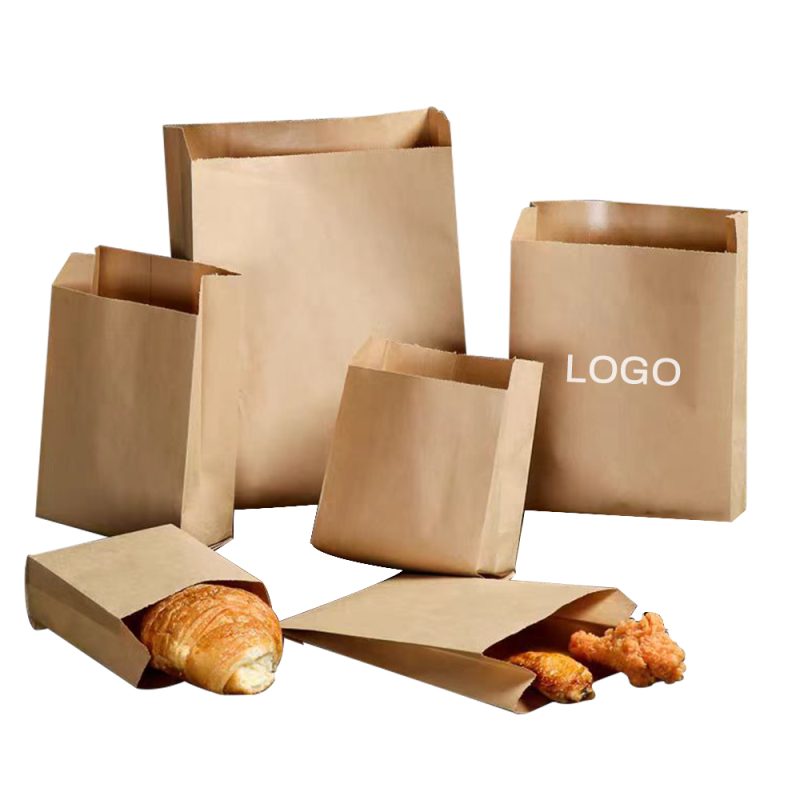
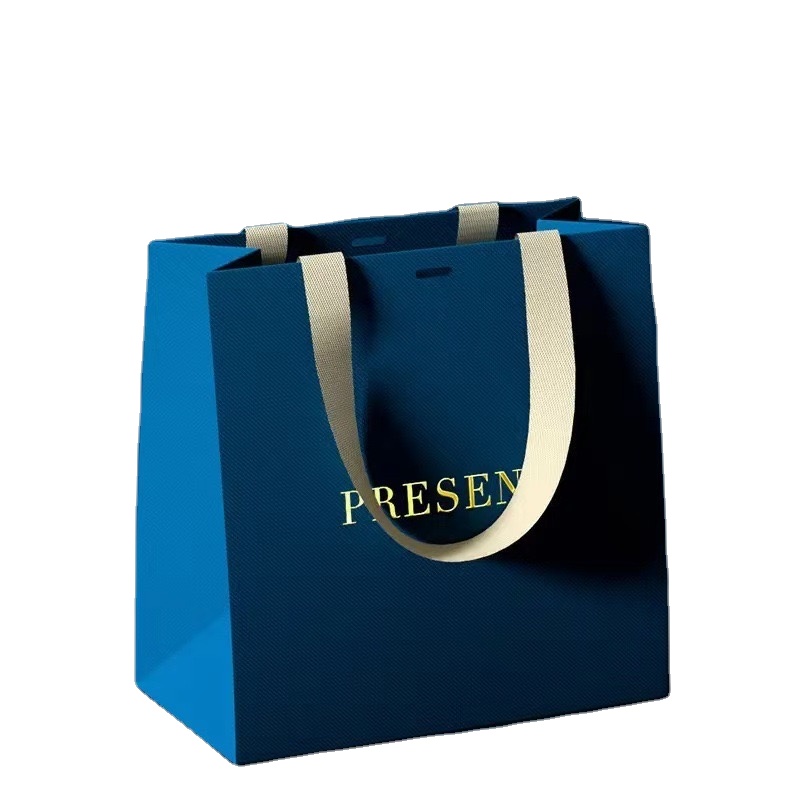
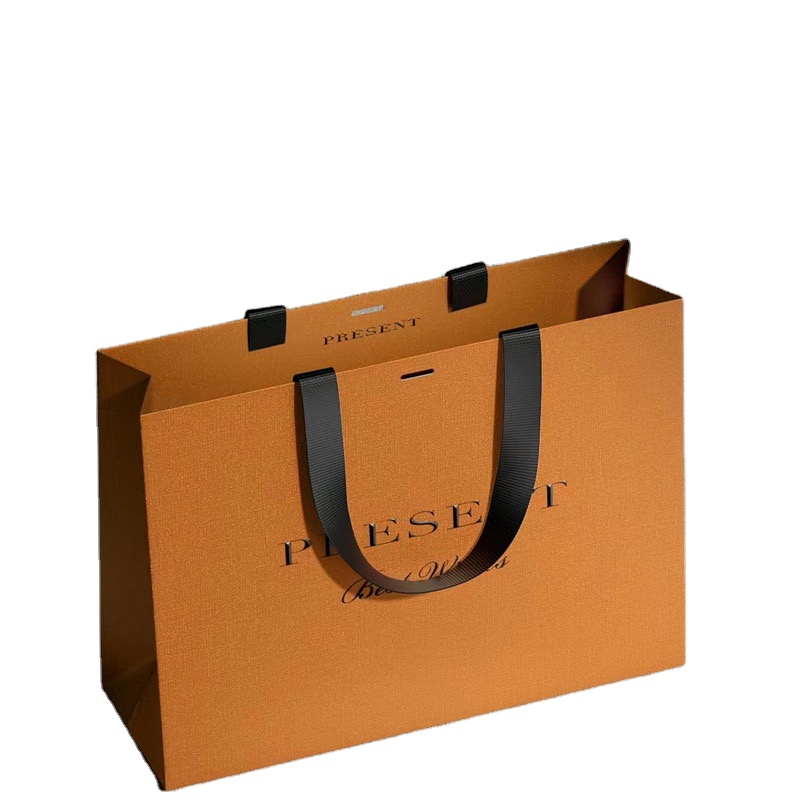
A shopping bag is the cheapest advertising space a retailer owns, and it travels further than any poster: out the door, onto trains, back to homes where it gets reused for the next errand. This page is the workhorse line for that job – custom printed paper shopping bags built for volume, quoted per design, and scheduled so a chain of stores or a supermarket group can keep the artwork consistent across every location and every restock. One warm-toned sheet, one clean centre mark, one ribbon pair: the plain ground in the photo is the base we print onto, and your logo is what replaces it.
The build starts on 250 gsm ivory board as standard, with kraft and specialty sheets available on request. Every dimension is made to order – width, height, gusset depth, handle drop – engineered around what your counters actually carry: boxed goods, garment folds, grocery tins, promotional kits. The figure repeated on the old spec sheet was lifted from a small floral carrier and does not describe this line, so plan from your product, not from that number.
What You Specify on a Wholesale Run
Buyers ordering for store networks, gift wholesalers and brand rollouts lock the same seven variables on every purchase order. None of them come from a fixed catalogue – each is set against your file and your shelf:
- Bag size and gusset – square, vertical or wide formats cut from your dieline or from a sample you send us
- Board – 250 gsm ivory as the default; kraft and specialty sheets on request when the artwork calls for a coloured ground
- Printing – offset CMYK for photographic marks, single or twin PMS spot colours for text logos, matched to your brand reference before the run starts
- Finish – matt or gloss lamination for counter traffic; optional foil, spot gloss or embossing on the logo itself
- Handles – grosgrain or satin ribbon, twisted paper cord, or cotton rope, mounted outside or tucked under the rim
- Interior – plain white, a contrast colour, or a repeat of your pattern on the inner wall
- Carton plan – piece counts per box, carton markings by store code, FBA label schemes when stock goes to Amazon
Artwork help is included at no charge: we lay your file onto the bag form as a digital proof before any tooling gets cut, so the first approval settles proportion and colour, not guesswork. For multi-site buyers the mock-up doubles as the artwork lock every branch gets judged against.
The MOQ reads 100 pcs per design. Mixed artwork, sizes or handle colours count as separate designs, which is how a supermarket group can split one PO across five store formats, or a gift wholesaler can test three markets without tripling the first order. Because each design is a separate floor, a season’s worth of campaigns fits one purchase order with one shipping window.
Where the brief leans premium – foil on a dark ground, rope on metal eyelets – that heavier build gets its own page at custom luxury foil-stamped paper bags, kept apart from this general logo line so each quote prices the right machinery.
Specification Table
The rows we quote from, assembled into one sheet for your purchasing file:
| Item | Custom Printed Paper Shopping Bags (Wholesale) |
| Construction | Upright body, folded side gussets, glued flat bottom, reinforced handle walls |
| Size | Custom throughout – cut to your product or dieline |
| Paper | 250 gsm ivory board standard; kraft and specialty sheets on request |
| Printing | Offset CMYK; PMS spot-colour matching for logo work |
| Finish | Matt or gloss lamination; optional foil, spot gloss, embossing |
| Handles | Grosgrain / satin ribbon, twisted paper cord, cotton rope; rim-mounted or inside-anchored |
| Packing | 100 pcs per poly bag or box, into export cartons; FBA labelling supported |
| MOQ | 100 pcs per design |
| Sample time | 3-5 days |
| Lead time | 7-15 days after artwork approval |
| Capacity | 1,000,000 pcs per month across our bag lines |
Price honesty up front: the figure on this listing reflects unit cost at the 100-piece tier on standard board. Volume tiers requote from there – a 5,000-piece chain rollout never pays the sample-tier number, and tooling is charged once per design, then held on file so every restock skips it.
Getting the Board Right Before the Press Starts
Board selection is where wholesale bag orders are won or quietly lost. The sheet decides how your ink lands, how the bag survives a full cart’s weight, and how the finished unit prices at your volume tier. Ivory-coated board is the default for a reason: it takes halftone gradients and hairline text cleanly, it laminates flat, and a spot-colour logo reads at true brightness because the ground itself is neutral. Move the same logo onto a coloured ground – a kraft exterior for a bakery programme, for instance – and the ink turns warmer and slightly muted, because brown paper is not a white canvas.
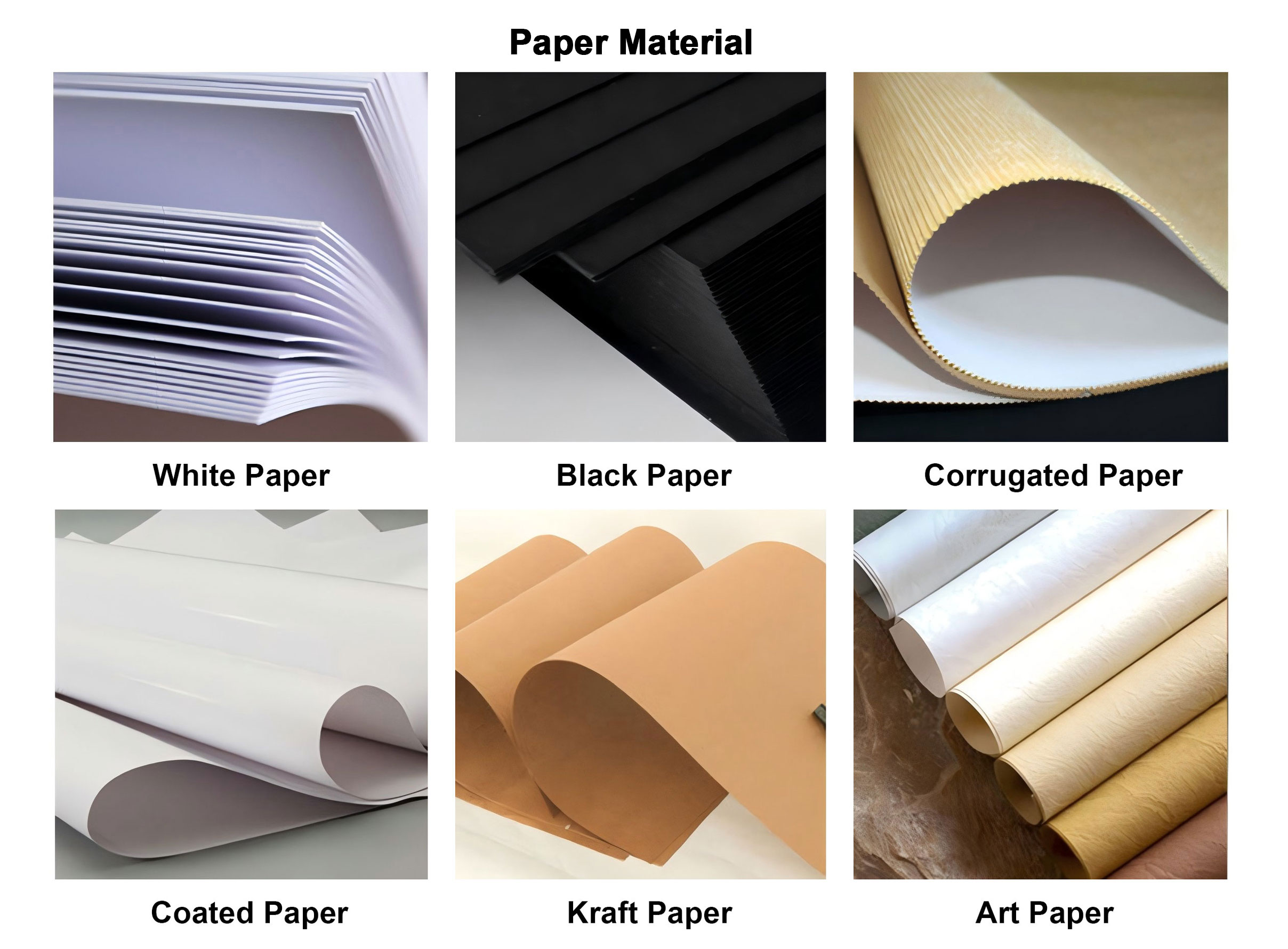
The swatch board below carries the grades we stock for bag work: ivory and white card for crisp corporate marks, kraft in its natural tones for value and take-away formats, corrugated grades when contents are heavy or the bag must survive a warehouse leg without creasing, coated art papers when photography prints across the whole panel. Two working rules we give every new buyer. First, judge the board against the heaviest item your stores sell, not the lightest – a bag that bulges at the seams in week one gets quietly binned by week six, and the artwork investment goes with it. Second, order physical chips of your top two candidates with the sample lot; monitor colour is not board colour, and the difference in hand-feel between the standard sheet and a lighter specialty stock is something your merchandising team will catch in one pass of the hand.
Thickness moves cost in three places at once: every step up in gsm raises the unit price, the carton weight and the freight bill together. For most counter bags the standard 250 gsm is the sweet spot. Go heavier only when the product demands real stiffness, or when positioning needs that rigid, boxy shelf behaviour a thin sheet simply cannot fake.
Handles, Anchoring and the Pull Test That Settles Arguments
The handle is a separate engineering decision, not a ribbon colour choice. Three anchoring methods cover almost every wholesale build. Glued tails: the trim is bonded to the inner wall behind a pasted patch – the economy route, fine for light single-trip carry, and the first thing to fail when an overweight customer loads it wrong. Rim-mounted: the trim passes over or through the folded top edge so load sits against the stiffest part of the wall – mid-weight retail work. Inside-anchored: the ribbon feeds through notches hidden beneath the folded rim, its tails splayed long against the inner wall and bonded across a wide field – the cleanest look and the most dependable bond, which is why boutique programmes pick it.
Pull-testing beats spec-sheet confidence every time. When your sample arrives, load the heaviest product you sell into it and carry it a full lap of your showroom or warehouse; the bag tells you more in thirty seconds of real use than any datasheet. We build samples to that standard on purpose – the exact anchoring method you get in bulk, not a simplified dummy.
Handle drop – the length of trim standing above the rim once mounted – is the detail that separates a bag carried comfortably on the elbow from one that snags at the wrist. Short drops suit light counter handoffs and keep the silhouette tidy on a shelf; longer drops let a shopper hook the bag over a coat-and-carry commute, which matters for apparel and grocery formats where the walk from car to door is the real test. We set drop length on the dieline together with your size, so the trim never arrives 2 cm too mean to use the way your customers actually carry things.
Dye-lot control belongs in the same conversation. Ribbon and cord come off their own production batches, and two orders six months apart can show a visible step in the same “signature” colour if the lot is not recorded. When a programme needs multi-year colour consistency on trims, we note the dye lot against your file and re-order against that reference, the same way the ink lab strip gets handled.
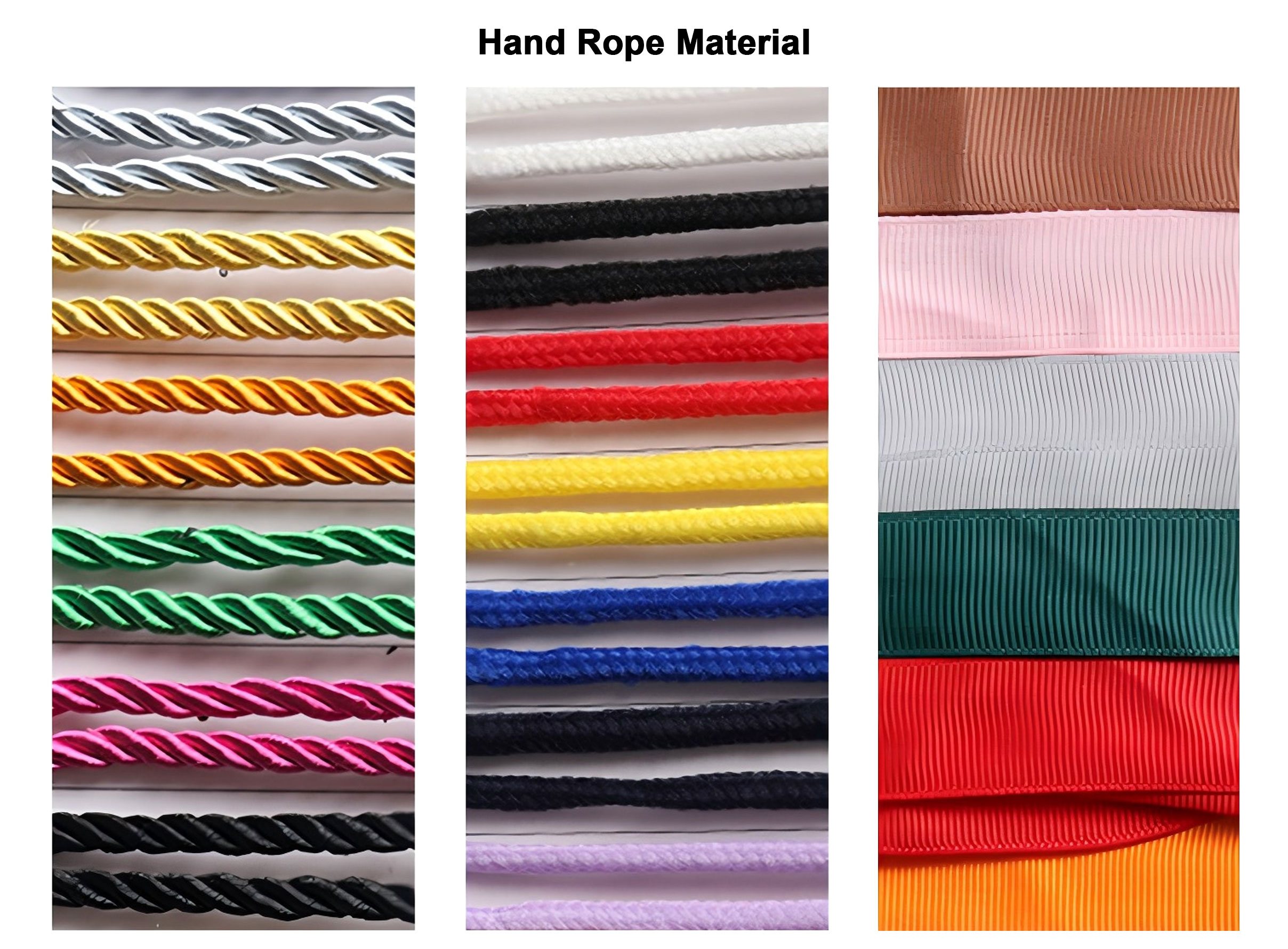
Colour discipline on trims matters more than most buyers expect at quote stage. A chain that dyes handles to match its signage green gets a noticeably sharper package than one grabbing the nearest stock colour off the shelf. The chart below shows the cord, rope and ribbon families we run and their colour range; we dye to your PMS reference rather than approximating it from a screen, and the trim on your sample ships under the same approval lock as the print.
Colour Matching, Proofing and Reorder Consistency
Everything that keeps a two-year bag programme looking like one brand runs through four habits, none of which cost extra once they sit inside your ordering process.
One: colour targets are numbers, not adjectives. Your brand green is a PMS code, and the press pulls ink to it on your actual board. A lab strip comes off the same sheet as the production run, ships to you for physical approval, and becomes the reference every later lot is measured against. “Brighter than the last one” is a complaint; “0.6 delta-E from the stored strip” is a fixable production note.
Two: proof the formed bag, not the flat art. A logo that looks right on a rectangle can wrap badly past a folded gusset or vanish under a handle mount. Our mock-up maps your file onto the built bag – front panel, gussets, and interior if you print there – and that formed view, not the flat PDF, is what you sign.
Three: order the sample as if it were the lot. Same board, same laminate, same trim, same anchoring. The 3-5 day sample window exists so the bulk decision is boring: by the time cartons move, nothing is left to argue. Four: let us keep your file locked. Dieline, emboss dies, ink formula, trim references and carton spec stay on between orders, so a restock two seasons later is a confirmation email against your stored references, not a fresh project.
Where the mark needs finishing beyond flat print – a foil logo on this same format, or a spot-gloss varnish that catches counter lighting – we run it on request inside the same ordering track; the tooling economics simply move one line up in the quote.
Printing Your Whole Store Programme Together
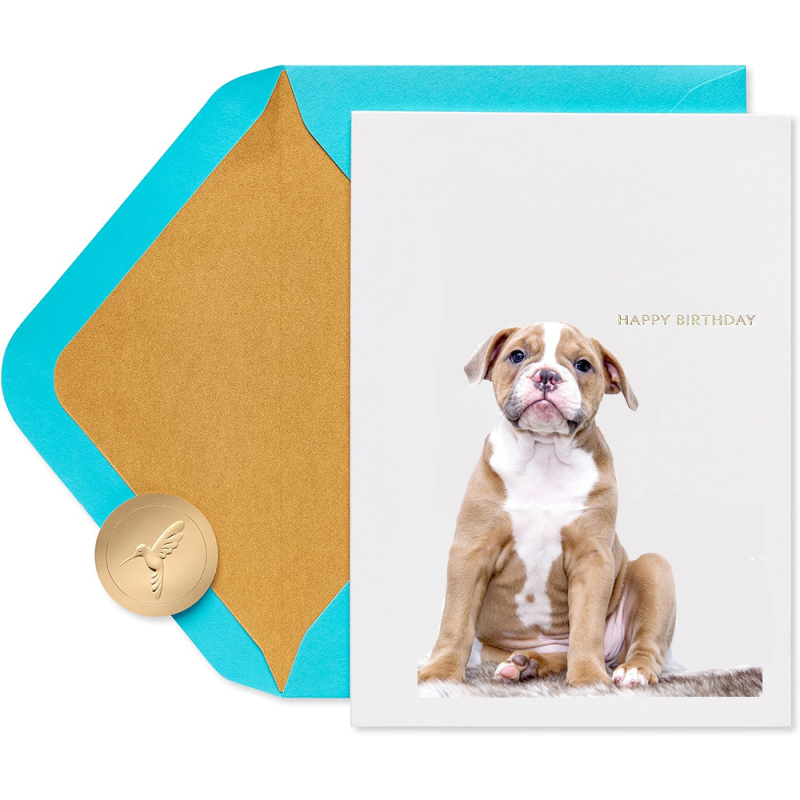
The strongest argument for a wholesale bag supplier with its own presses is consolidation. Bags are rarely the only printed item a retail programme needs: swing tags on apparel, thank-you cards at checkout, sticker seals on boxes, shelf talkers, notebook covers for corporate sets – all offset work, all colour-matched to the same brand strip, all producible inside one window. When one plant holds every touchpoint, two expensive failure modes disappear: colour drift between item types sourced separately, and staggered freight from different vendors landing on different weeks during a launch.
The range chart below groups our printed-goods output so you can see what folds into one PO alongside the bags. A typical consolidated order we run: 5,000 bags across two sizes, 10,000 swing tags, 3,000 cards and a matching sticker seal – four SKU families, one bill of lading, one colour target, one delivery date locked to your store calendar.
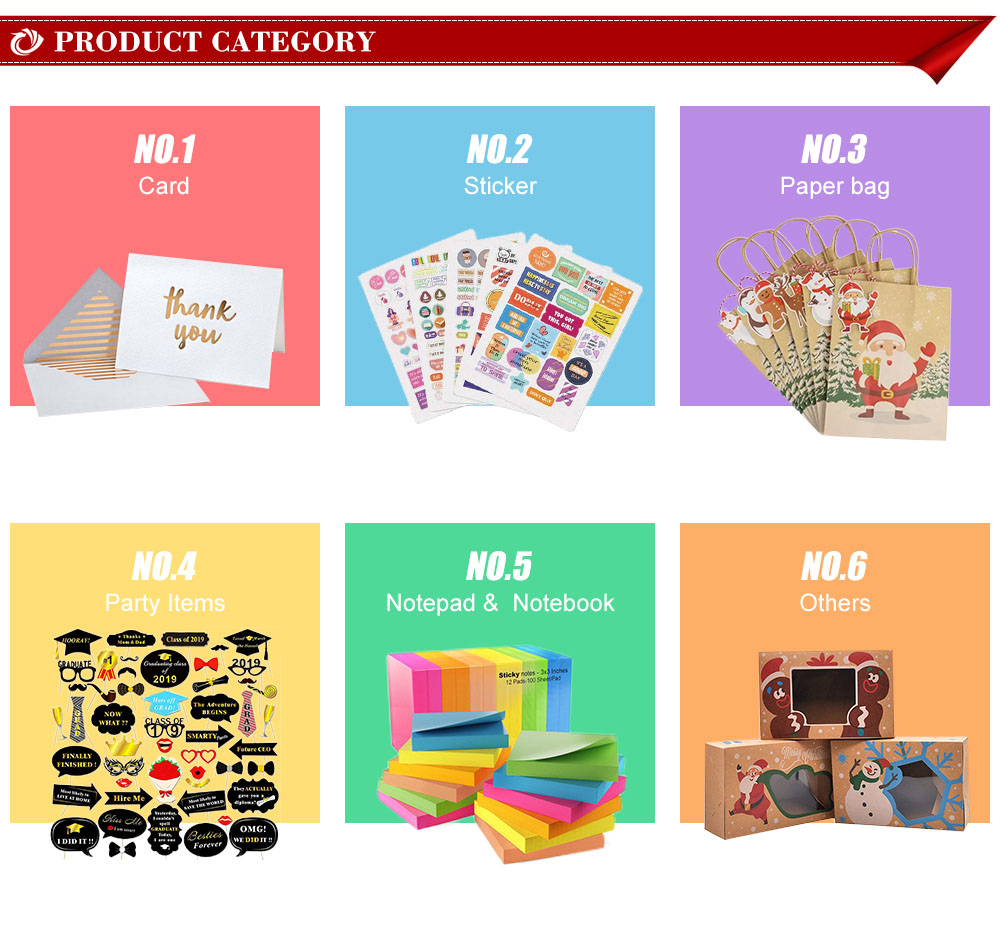
Consolidation also smooths receiving. Because every item in the programme leaves one plant, carton marking follows a single scheme across all SKUs – store code, SKU, piece count – and your distribution centre scans the whole delivery in one pass instead of reconciling three vendors’ inconsistent labels. For Amazon sellers the same logic applies at FBA: bag lots with their matching inserts and tags arrive with prep aligned to one shipment plan rather than three.
How a Wholesale Order Moves
Four checkpoints, in order. One: you send the logo file plus the item the bag must hold, and we size the dieline from that. Two: a free digital mock-up comes back for artwork sign-off, in the formed-bag view described above. Three: real samples run in 3-5 days – printed, laminated, handled – so the purchasing team approves an object, not a rendering. Four: bulk moves 7-15 days after artwork approval.
For standing programmes we hold your dieline, colour strip and carton spec on file; restock orders then ship on a single email confirmation against the previous lot, which is how chain buyers keep twelve stores stocked without relitigating artwork every quarter. If your calendar is pinned to a season launch or a trade show, name the date at the mock-up stage and the plan gets built backwards from it; capacity of 1,000,000 pcs per month is what makes that window survivable in peak months. Samples ship fully assembled by courier so your team sees the real carton-to-counter timeline, freight days included, before the lot is authorised.
Packed, Labelled and Freight-Ready
Shipping matters on a volume buy because receiving does not scale well. Bags arrive assembled and nested, 100 pcs per poly bag or inner box, into export cartons marked to your scheme – by store, by SKU, by pallet – so distribution scans instead of counts. Amazon sellers get FBA prep on our line: barcodes applied per your requirements sheet, cartons built inside weight limits, shipment IDs printed on the exterior so inbound reconciliation matches your portal on the first pass.
Freight options: express courier on DHL, UPS, FedEx or TNT for samples and urgent top-ups, air for mid-size replenishments, sea for the full programme. Send a destination ZIP and we quote door-to-door across all three, so the landed unit cost – not just the ex-factory figure – is what your margin sheet uses. Ask for carton cube with your quote too: on a sea lot, freight is often decided by how tightly bags nest, and we will tell you honestly whether a size tweak saves more on shipping than it costs in board. The layout below shows the carton and pallet stage before carrier handoff.

What is the MOQ for wholesale printed paper bags?
Can you print our logo to an exact Pantone colour?
Do the bags ship flat or assembled?
Which handle should a grocery or apparel chain pick?
Can we consolidate bags with matching tags and cards?
How quickly can a full rollout lot deliver?
Pages to Compare Before Committing Tooling
Shoppers judge the bag before they judge the shelf, so shortlist on silhouette, not price alone. The heavier gift end of this category is at the custom luxury bags index, and the boutique edition in pale blue sits on this foil-friendly light-colour page. See-through merchandising has its own build: the tapered carrier with a clear window. Character-led gifting stores print loud: the full-colour cartoon shopping bag wraps artwork across the panels. And where a brown-paper look fits the product line, the printed kraft bag series runs on the same ordering track.
Get a Number for Your Logo Run
Send the logo file, the carried item’s dimensions, and first-order quantity; we return mock-up, dieline and a tiered quote – board options, handle options and freight landed – within one business day. Juggling several styles for one programme? Put them on a single enquiry via the request-a-quote page and we price the whole shortlist side by side. Or go straight to the team that runs the press: WhatsApp / Tel: +86-15967739086 | Email: [email protected]. Browse the rest of the lineup first at the bags category.