Custom Luxury Paper Bags With Foil Logo and Rope Handles
$1.00
Custom luxury paper bags built for dark-ground foil: matte navy or black board, single-colour gold foil logo, white rope carried on brass eyelets – or linen-embossed caramel board with grosgrain ribbon anchored inside the rim. Sizes cut to your product; the square and vertical formats shown are made-to-order, not stock dimensions.
MOQ: 100 pcs per design | Sample: 3-5 days | Bulk: 7-15 days after artwork approval
You set: PMS-matched dark grounds, foil stock chosen from a numbered chart, brass or nickel eyelets, rope / ribbon / cord handling, inner-wall print, soft-touch or gloss lamination, painted edges, custom size – free digital mock-up included
Board: 250 gsm ivory standard; kraft and specialty sheets on request
Packing: assembled bags, 100 pcs per poly bag or box, export cartons, Amazon FBA labels supported
Freight: DHL / UPS / FedEx / TNT express, plus sea and air options
The listing shows the reference unit price at the 100-piece tier; message for volume rates.
Foil on Deep Colour: Why Dark Boards Earn Their Price
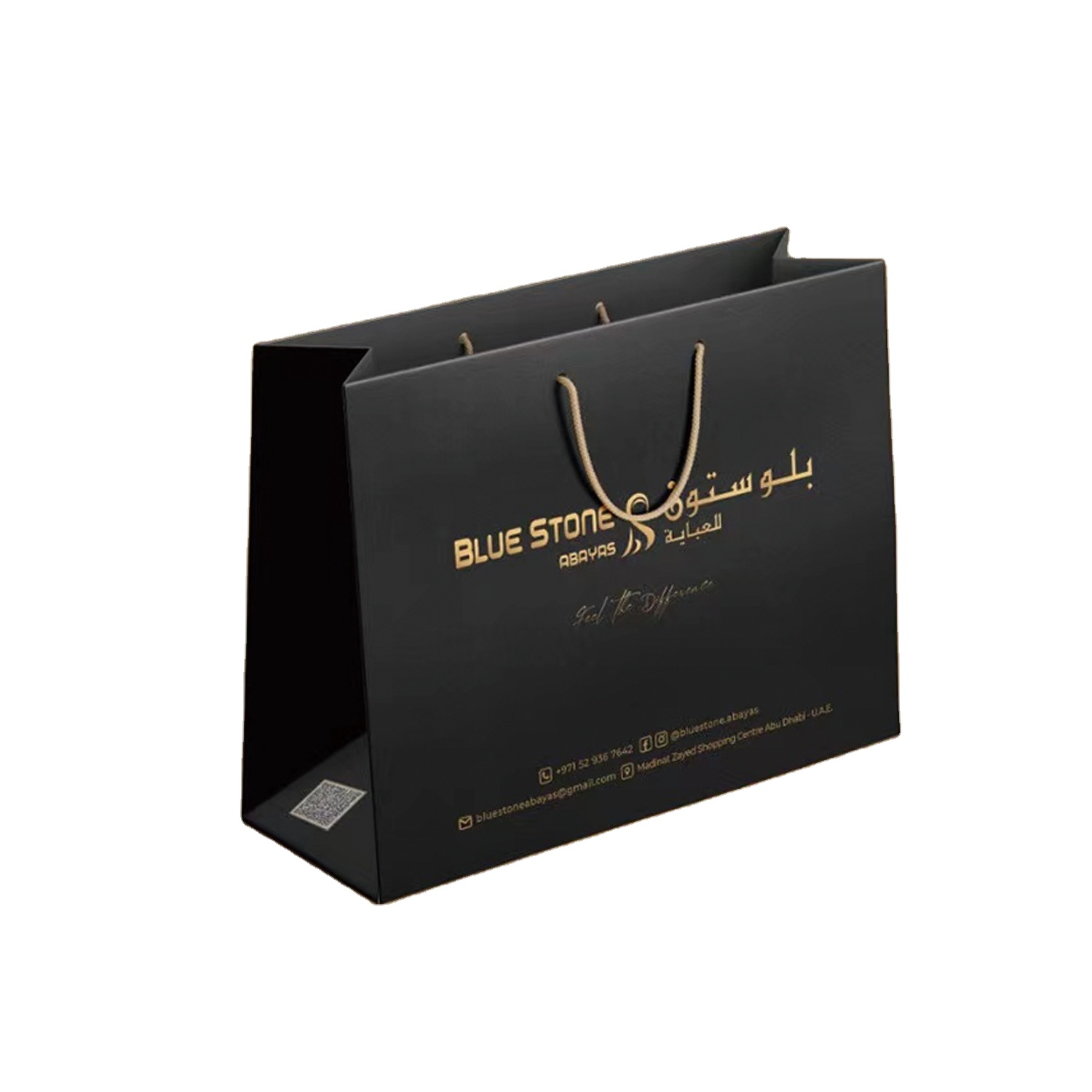
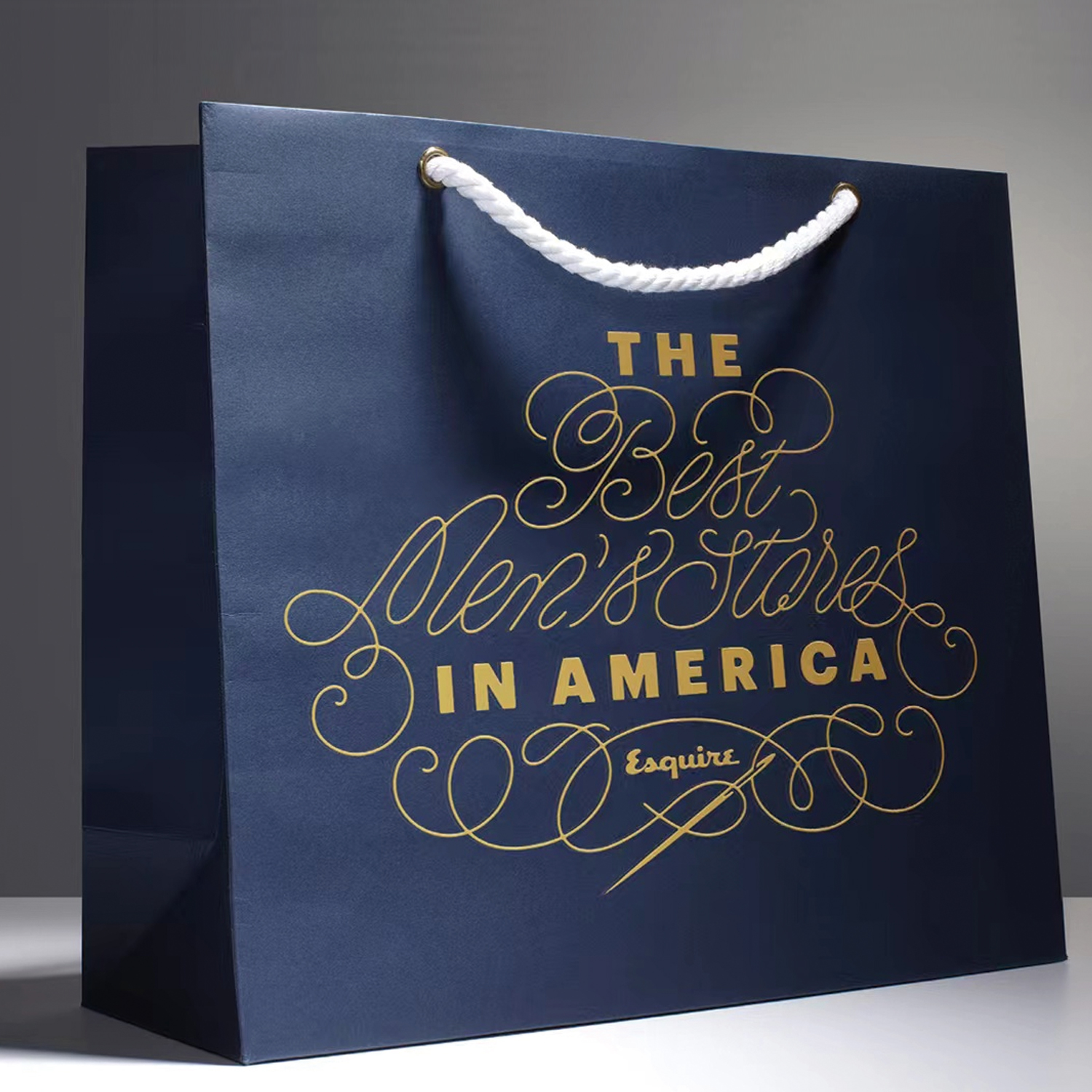
The navy bag in the main photo stacks three processes that set both its shelf behaviour and its quote: soft-touch matt lamination over dark-printed board, a single-colour foil mark pressed dead-centre, and a white twisted rope carried on two brass eyelets. Under retail lighting the matte field stays quiet while the stamping flashes each time the bag moves. That contrast – flat dark ground against hot metal – is exactly why boutiques, jewellers, grooming brands and corporate gifting desks keep this construction on their reorder list instead of reaching for a gloss printed tote.
Nothing here ships off a fixed catalogue. 250 gsm ivory board is the standard sheet; kraft and specialty boards go on request. Sizes are custom: the square and vertical formats shown were cut around a customer’s product, and your lot starts from your dieline, your product dimensions, or a quick sketch of what has to fit inside.
Handles, Hardware and What They Move on the Quote
Rope through metal eyelets is the sturdiest handle route on this bag and also the one that adds the most per unit. The ring clamps the rope into the wall, so carrying load spreads across metal and a stiffener card hidden in the panel instead of a glued ribbon tail. Choose it when the contents have real weight or when the bag gets carried through an entire shopping trip – the failure mode of glued ribbons is pull-out at the bond line, and an eyeleted rope simply cannot do that. Ribbon anchored inside the rim is the dressier, lighter path: the grosgrain loops through slots tucked under the top fold, so the hardware vanishes from view and only the logo panel and a clean colour edge show.
What you can set on this build, per design:
- Size and proportions – square, vertical or gusseted, cut to your dieline
- Dark ground colours (navy, charcoal, black, deep green) matched to PMS references before the press run
- Gold, copper, silver or holographic foil selected from a numbered stamping chart – single-colour logo, wordmark or monogram
- Twisted rope with brass or nickel eyelets, grosgrain or satin ribbon mounted inside or outside the rim, or twisted paper cord
- Contrast interiors and inner-wall print that repeats what the shopper sees when the bag opens
- Soft-touch matt or gloss lamination, with optional spot gloss built over the logo
- Painted edges on dark board so the cut side never reads white
- Carton counts, carton marking and FBA label schemes
Free design support starts with a digital mock-up: your logo laid onto the chosen bag shape before a single die is cut, so the board sees a decision instead of a suggestion. That mock-up is also where the foil placement argument gets settled – centred typographic block versus small corner mark prices differently once tooling enters the quote.
Hardware gets chosen the same way. Eyelet diameter, ring material and crimp pattern change how the rope sits at rest and under load: brass reads warm against navy, nickel stays cold against charcoal, and an oversized ring on a soft-touch sheet telegraphs industrial rather than boutique. Send the rope sample you like – or the carrier bag your customers keep reusing – and we match the hardware gauge to it instead of guessing from a thumbnail.
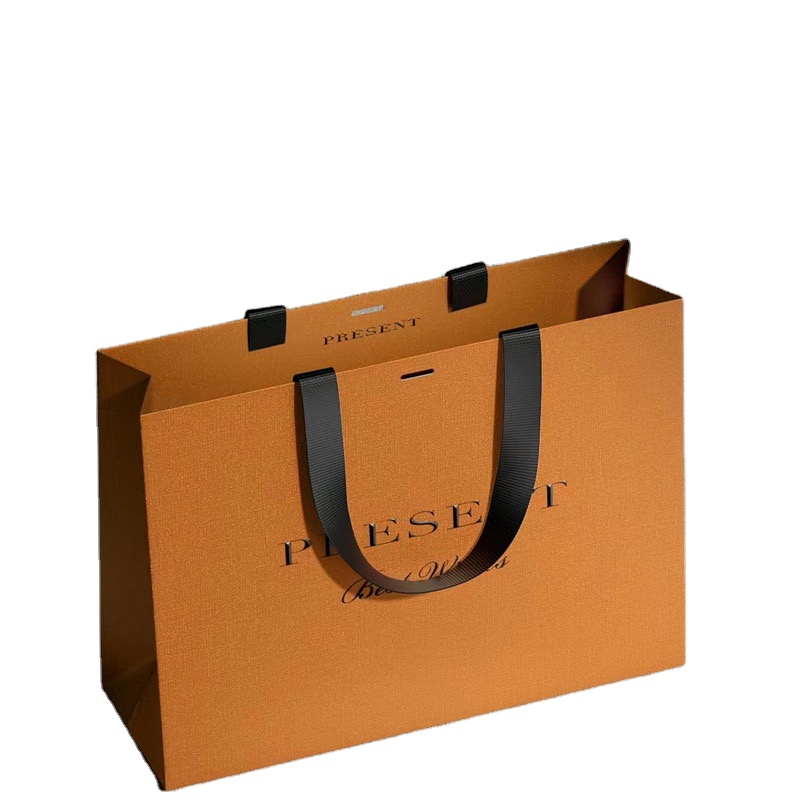
The caramel sample below shows the same tooling logic wearing different clothes: a fine linen embossing pressed into the sheet, black grosgrain ribbon mounted inside the top rim, and print carried down onto the inner wall. One production block can serve a jewellery counter and a fragrance boutique without changing machines – only the spec sheet moves.
If your rollout also needs lighter everyday formats alongside this flagship build, the printed paper bag index collects them, and the wholesale custom-printed shopping bag page covers high-volume logo runs on standard board.
Specification Sheet
The rows below are the build we quote from. Anything marked custom moves with your product, not with our catalogue.
| Item | Custom Luxury Foil-Stamped Paper Bag |
| Construction | Square or vertical rigid body, folded side gussets, stiffened handle walls |
| Size | Custom – cut to your product or dieline; square and vertical formats shown |
| Paper | 250 gsm ivory board standard; kraft and specialty sheets on request |
| Printing | Offset on dark grounds; PMS matching against your brand reference |
| Finish | Soft-touch matt or gloss lamination; single-colour foil stamping; optional spot gloss; painted edges |
| Handles | Twisted rope through brass or nickel eyelets; grosgrain / satin ribbon inside-mount; twisted paper cord |
| Packing | 100 pcs per poly bag or box, then export cartons; FBA labelling supported |
| MOQ | 100 pcs per design |
| Sample time | 3-5 days |
| Lead time | 7-15 days after artwork approval |
| Capacity | 1,000,000 pcs per month across our bag lines |
A size note for buyers carrying old data forward: an earlier version of this table repeated a small floral-bag dimension that belonged to a different product. That figure was never this bag’s spec – do not plan your contents around it. Real sizes start from your product: send the item itself, send a dieline, or measure the bag your customers already keep, and we engineer the board layout around it.
The figure listed on this product page is the reference unit price at the 100-piece tier for the standard build, before foil tooling. Tooling is charged once per design and the die stays on file, so every reorder after the first lot skips that line item entirely.
Colourways split cleanly across one purchase order. Navy, black and caramel can share a PO because the MOQ lives at 100 pcs per design – each artwork counts separately, and builds with matching board, laminate and hardware get scheduled as a single production block so they land in the same container with the same hand-feel.
Three structural details surface in every luxury bag quote worth reading closely: a double-folded rim keeps the mouth edge rigid under lamination, corner blocks at the base carry rope tension away from the glue seams, and the bottom build – flat glued versus crease-lock – decides whether the bag stands square on a counter or folds flat for storage between fills. We set these with you on the dieline so the physical behaviour matches what the mock-up promised.
Dark Ground and Hot Foil: the Traps We Design Around
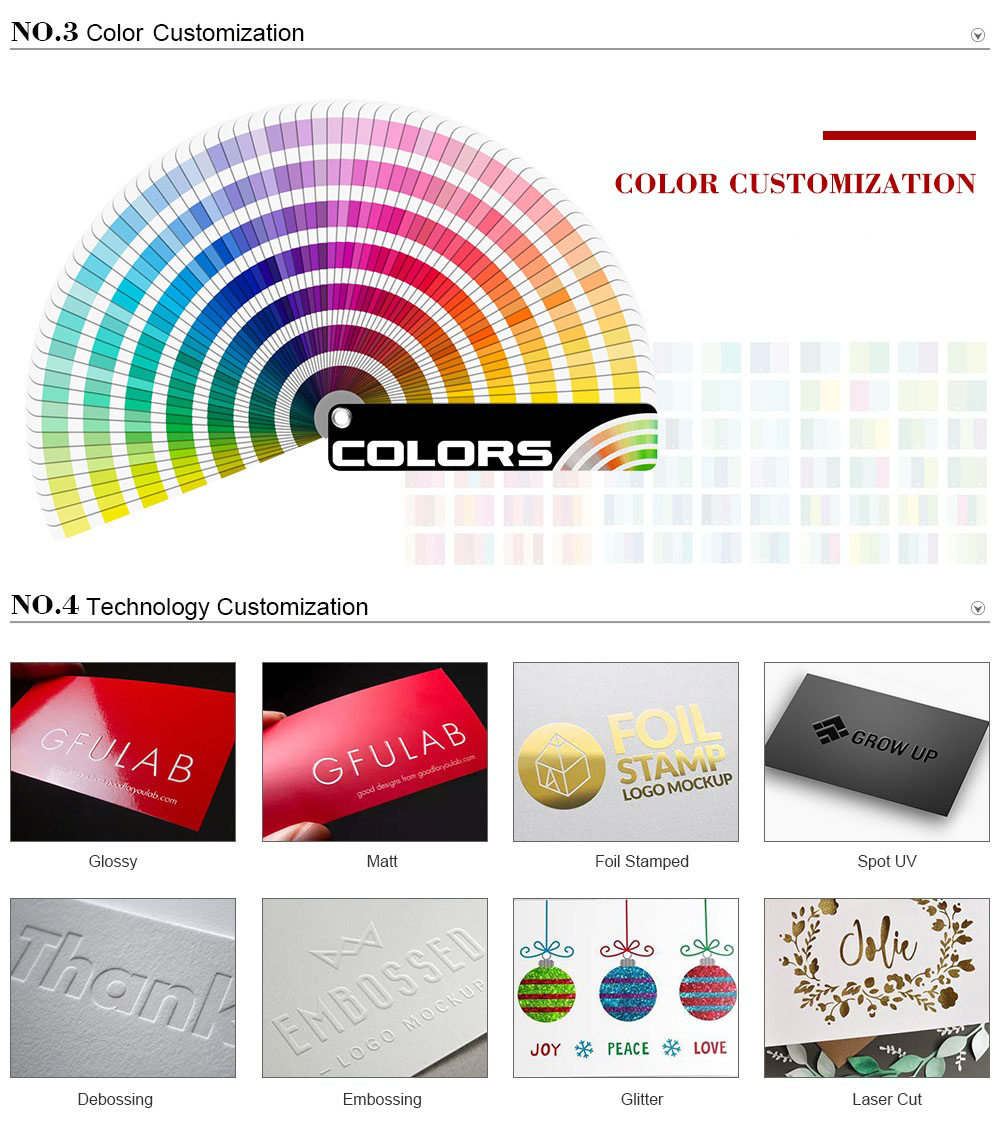
Navy is not one colour and gold is not one metal, which is why decisions on this bag get made against physical references rather than renders. The overview chart below maps the board, colour and process options at a glance; the paragraphs that follow explain where first-time luxury buyers usually get burned.
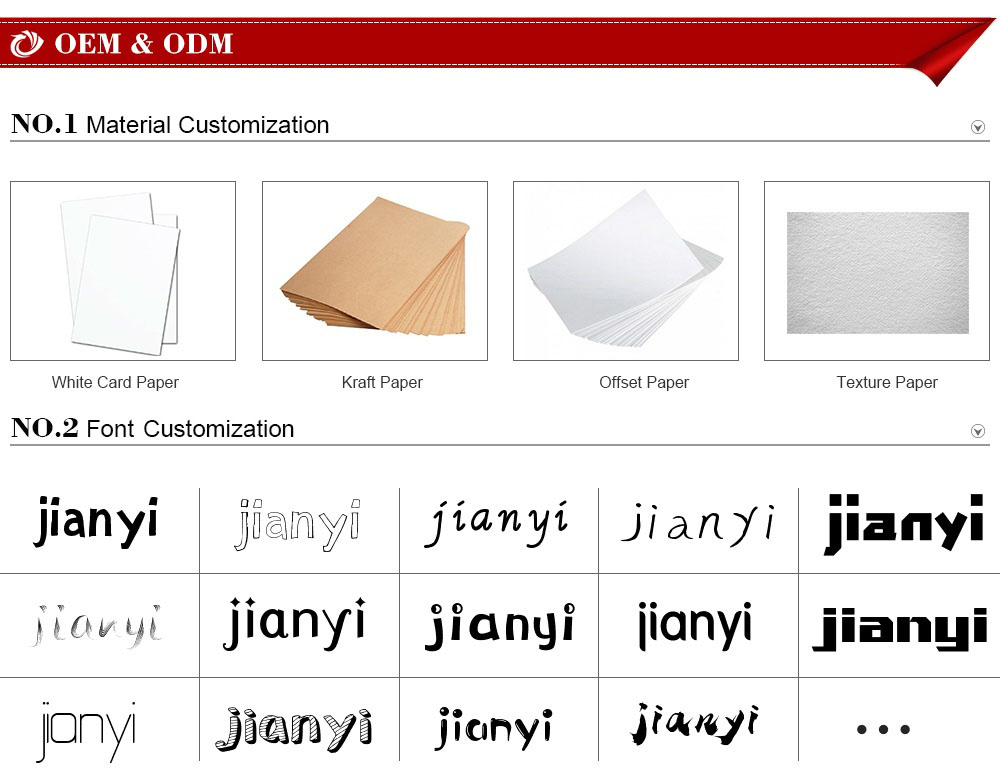
Registration comes first. Any drift between the print pass and the stamping pass shows instantly on a flat dark field, because there is no busy artwork to hide it. We lock both passes to the same dieline grid, mark the foil position on the mock-up, and prove it on your sample lot – not on the pallet. Buyers who skip the physical sample and approve a flat JPEG alone are the ones who complain about logo placement; the sample run exists to prevent exactly that argument.
Foil stocks behave differently on press than on screen. The same gold reads warmer under gloss lamination and cooler under soft-touch matt, and embossing a foil line changes how light hits it again. Selection happens against a numbered foil chart with your board colour laminated behind it, so what you choose is what presses. We recommend ordering the chart swatch card with your first sample – it answers the question your brand manager will ask about the second lot.
Ground colour needs its own lock. A navy that drifts violet under store lighting breaks consistency across your rollout, so the board print is matched to a PMS reference on a lab strip that ships with the sample. Approved strip stays on file; future lots get checked against it before carton sealing. That single habit is what makes a third reorder look like the first one.
Embossing is the third variable in the stamping conversation. A debossed foil line sinks the mark into the sheet and reads quiet and expensive under a matt film; a raised emboss with no foil catches shadow instead of light. Both shift the registration tolerance, because the die needs a few tenths of relief around fine strokes before it crushes anything. Every reference on the swatch sheet below was pressed on laminated dark board, so the comparison you make at your desk mirrors the press result rather than a marketing photo.
Laminate choice interacts with metal hardware. Eyelet crimping presses the wall from both sides; on a thin gloss film the crimp ring can oil-can or crack along the fold lines once the rope is pulled taut. Under the dark boards we run a soft-touch or matt film sized for the hardware, add the internal stiffener where the rope lands, and test-pull the sample before sign-off.
Inner-wall print and inside-mounted ribbon turn the top of the bag into branded real estate: when a customer lifts the lid, the contrast interior and the anchored ribbon carry the same colour discipline as the front panel. This is where a boutique bag separates from a printed carrier – the finishing chart below covers stamping, laminate, embossed and debossed references on light and dark board for exactly that comparison.
From Mock-up to Signed Cartons
The path is fixed and short. Send the logo file and what the bag must carry; we return a digital mock-up free of charge. Once the shape is agreed, the dieline is drawn and the sample runs in 3-5 days – physical, laminated, foiled, eyeleted, not a blank paper dummy. You approve artwork on the sample or against the lab strip; the bulk order then moves in 7-15 days after artwork approval. Reorders skip the drawing step entirely because your dieline, foil die and colour references are already on file.
Design help is included, not billed: if your mark has never been redrawn for a hot-stamp die, we adapt the line weights so the foil holds detail at stamping temperature instead of bridging thin strokes.
Capacity across our bag lines reaches 1,000,000 pcs per month, which is what keeps the 7-15 day window realistic during seasonal peaks. If your launch calendar has a hard retail date, tell us at the mock-up stage and the schedule gets built backwards from it.
Packing, Freight and FBA Prep
Bags ship assembled – no flat blanks for your team to fold at receiving. Standard cartonization is 100 pcs per poly bag or box, boxed further into export cartons, with carton marking matched to your SKU scheme. That structure alone makes store-level allocation simple: one box equals one distribution unit, and a chain rollout can be split by store code without opening anything.
For Amazon sellers, FBA labelling and packing are supported on the production line: barcodes applied to the bags or their inner packs per your prep sheet, cartons built to FBA weight rules, and shipment IDs mirrored on the outside marks so receiving reconciliation takes minutes instead of an afternoon. We also ship to retail distribution centres and freight forwarders on the same carton data.
Freight routes: DHL, UPS, FedEx or TNT express for samples and urgent top-ups, air freight for mid-size lots, sea for full-programme replenishment. Quote us your destination postcode and we price door-to-door on all three so the landed math is honest before you commit to a lot size.
Quality gates sit at three points in the run: a first-piece check off the press against your approved sample, in-line spot checks on foil registration and eyelet crimps, and a final pull-test on sampled units before palletisation – rope pulled to load, bags opened and closed, printed faces checked against the stored colour strip under shop light. The check sheet travels with the shipment, so your receiving team sees exactly what was already verified before a single carton was taped.
The packing layout below shows how cartons get built and marked before handoff.

Is the gold foil stamping included in the listed price?
Can you match our exact brand navy?
Which handle setup carries the heaviest contents?
Can I launch navy, black and caramel in one order?
Do you print the inside of the bag?
How fast can a physical foil sample reach us?
Related Bag Pages Worth Comparing
Buyers typically shortlist three builds before committing tooling money. The pastel-blue boutique edition of this silhouette sits at the light-colour luxury bag page, and every dark foil, eyelet and ribbon variant lives inside the custom luxury bags category. For see-through retail presentation compare the windowed trapezoid carrier; for character-led gifting, the full-colour cartoon bag with ribbon handles; and where a kraft exterior fits the product line better, our kraft paper bag series.
Send Us Your Dieline
Three inputs start everything: the logo file, the product the bag must hold, and your first-year volume. You get back a digital mock-up, a dieline drawing with priced options, and a sample plan – then bulk in 7-15 days after artwork approval once you sign it. Comparing several bag styles? Batch them together on the request-a-quote page instead of sending separate emails. Direct line: WhatsApp / Tel: +86-15967739086 | Email: [email protected]